How to Train a Schipperke?
1. When training your Schipperke, giving praise and positive support is really beneficial and crucial Schipperke young puppy.
2. In no scenarios, need to you shout at your puppy or punish them for not listening — positive support is the best technique to train your Schipperke.
3. When it concerns praising your Schipperke, instead of patting them on top of their head or back, give them a pat under their chin or chest as it is more caring for them.
4. Training your Schipperke should not be carried out in long sessions. It is more efficient to train them with brief but frequent sessions throughout the day. It’s advised to train a Schipperke 3-5 times a day for 5-minute sessions. This ensures you are getting their complete attention.
5. When your puppy has actually successfully done what you asked to, reward them with a pet dog reward.
6. A big mistake that a lot of Schipperke owners make is letting their young puppy do things at a young age that they would not want them to do later (e.g. laying on furnishings). Don’t let them get into this routine otherwise it will be incredibly tough to change your pet’s behaviour in the future.
7. Young puppy training for a Schipperke need to begin at 8 weeks old and they usually operate at full learning capability between 8-12 weeks.
8. Your intonation is your greatest training aid – when praising use a delighted tone, and a firm tone when saying “No” (but make certain you’re not shouting).
How to Potty Train a Schipperke puppy?
When bringing a house a new [one of the very first things you will have to do Schipperke, is potty training them. It will spend some time and will be tough however with our guide on how to potty train a Schipperke puppy, you will arrive sooner than later on.
1. Take your Schipperke puppy out frequently: To begin, take your Schipperke outside every hour that you can and wait there with them for a few minutes to see if they require to go. This will restrict the possibilities of them going to the toilet inside and teach them where they must be doing it. When they do properly go to the toilet outside, make certain you praise them or even provide deals with. Gradually, they will understand they have to go to the toilet outside. As they are getting better, extend the quantity of time in between going outside.
2. Learn the indications your Schipperke needs to go: Common indications that Schipperkes and all dogs show when needing to go the toilet consist of: smelling the floor, squatting, circling, whining, and waiting at the door that leads outside.
3. Take your Schipperke to the very same area whenever: It’s important that you always attempt to take your Schipperke When taking them to go to the toilet, puppy to the same area through the very same exit. This will teach them to only enter the same area and will make cleaning up after them a lot easier for you. The exit ought to be someplace easily visible so you understand when they are heading towards there or waiting there that they require to go to the toilet.
How to Train a Schipperke Not to Bite?
The Center for Disease Control specifies that pets bite around 4.5 million people per year. This high number may appear a bit stressing, but our guide on how to train a Schipperke not to bite will help guarantee your Schipperke does not contribute to this.
1. Socialize your Schipperke at a young age: The best thing you can do for your Schipperke is introducing them to a great deal of new individuals, places, and situations as you can. A well-socialized Schipperke young puppy is much less likely to be anxious in brand-new scenarios, and will then be less most likely to be aggressive.
2. Sterilize your Schipperke: There is some proof that states that sterilized pets tend to be less aggressive and less likely to bite.
3. Take part in obedience training: A loyal Schipperke is a lot simpler to manage. If you can manage your pet’s behavior, it is less likely to be aggressive and bite.
4. Be aware of your Schipperkes body movement: It is commonly known that a Schipperke who is terrified of having their territory attacked has the potential to be aggressive and bite. Behaviors like raised heckles, bared teeth, and a decreased head are all signs that a Schipperke is uneasy. Try to comfort them and remove them from this situation when its safe if you observe your Schipperke pet displaying this type of body language.
How to Train a Schipperke to Stop Barking?
Getting your Schipperke to stop barking takes practice, time, and consistency. It does not take place over night but our tips on how to train a Schipperke to stop barking will be very helpful.
1. Do not yell back: Yelling will just get your Schipperke to bark even more since they think you are taking part. Speak securely and calmy, but do not scream.
2. Teach your Schipperke to comprehend the word “Quiet”: Whenever your Schipperke is barking, state “Quiet” in a firm and calm voice. Await them to stop barking and when they do praise them with a reward.
3. A worn out Schipperke is a peaceful Schipperke: If your Schipperke barks a lot by themselves, take them out for more routine exercise or play. They are less likely to bark when tired.


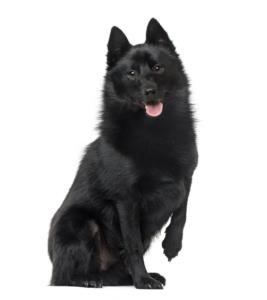


 out of 5 in a scale of how easy they are to train.