General Health Issues in Schipperke
A huge part of a canine’s general wellness is their health. Sadly, some breeds are more likely to experience particular conditions than others. These breeds are: Pugs, Bulldogs, Beagles, Boxers
However, they’re not the only ones. Prior to selecting to embrace or purchase one of these breeds you must learn about the prospective illness they can be born with. Illness can begin affecting pets while they’re young puppies, adolescent pet dogs or adult pets.
If you own one of these breeds (including the ones we’ll talk about listed below) it’s important to be familiar with health concerns that could affect your pet dog. Any changes in behaviour or physical look ought to be discussed with your veterinarian.
Tests can rule out or validate problems and if needed, your vet must advise a plan to manage the symptoms and reduce problems.
Bloating in Dogs
Pet dog breeds which are most likely to experience bloating: Typically, bigger breeds such as Great Danes and Saint Bernards.
What occurs when a pet experiences bloating: When the stomach twists and traps gas inside, the pet dog’s internal organs can suffocate. It’s stomach swell with liquid and gasses as the reaction is brought on by the shape of it’s chest.
How to assist prevent and deal with bloating in pets: If you happened to own a huge or big pet dog breed, it will help to put it’s food in a raised bowl or use a raised feeder. Also it is advised you inspect your pet’s stomach, frequently. If it seems swollen or tight a cautious examination of your animal can be performed by your local veterinarian.
Hip or Elbow Dysplasia in Dogs
Canine breeds which are more likely to suffer from hip or elbow dysplasia: Larger pet dog breeds such as Golden and Labrador Retrievers, German Shepherds.
What takes place when your pet dog suffer from hip or elbow dysplasia: The abnormal formation of the hip socket in your canine causes serious discomfort in your animal will lead to hip dysplasia. As a result of hip dysplasia, your pet can struggle with lameness, arthritis and loss of mobility. Elbow dysplasia, which can, likewise, cause lameness, happens in the joints of the front legs.
How to help prevent and manage hip dysplasia in pet dogs: Among the significant reason for hip dysplasia in canines is overfeeding and the other one is absence of routine exercise for your dog.
How to help avoid and handle elbow dysplasia in canines: Medication and surgery are the two choices to treat elbow dysplasia.
Arthritis and Joint Pain in Dogs
Arthritis and joint issues in pet dogs are not specific in any pet breeds. When pet dogs grow older it is extremely typical for them to experience arthritis and joint problems. Fortunately is, arthritis and joint problems are generally treatable. Joint issues in dogs, manifesting as lameness, can likewise take place earlier, especially in larger breeds.
How to help your dog with arthritis and joint discomfort: Regular workout, weight management and pain medication can all help manage the condition and decrease the discomfort.
Common Eye Diseases in Dogs
Pet dog breeds that experience glaucoma and cataracts early in life are: Beagles, Chow Chows and Poodles. Most other dog breeds will struggle with glaucoma and cataracts later on in life as it is part of aging.
Progressive Retinal Atrophy (PRA) likewise known as Progressive Rod and Cone Degeneration (PRCD) in Pet Dog Breeds: This group of eye illness in pets can start impacting at an early age, which can eventually cause loss of sight in both eyes.
Common Heart Diseases in Dogs
In general, heart problem in pet dogs are not specific to certain breeds or pet dog sizes. Routine medication is typically required to treat the issue. In many cases, exercise must be kept to a minimum.
Heart disease (CHF) in pet dogs can be caused by dilated cardiomyopathy (DCM), mitral valve illness (MVD) and atrioventricular valvular insufficiency (AVVI).
- Pet dog Breeds that are usually experience Atrioventricular Valvular Deficiency (AVVI) in Canines: Very common in little to medium sized pet dog breeds such as Cavalier King Charles Spaniels, Mini and Toy Poodles, Schnauzers, Chihuahuas and Yorkshire Terriers.
- Pet dog Breeds that are most commonly experience Dilated Cardiomyopathy (DCM): Doberman Pinschers, Great Danes, Boxers and Cocker Spaniels.
- Pet dog Breeds that are usually impacted by Mitral Valve Disease (MVD): More typical in smaller sized breeds e.g. Poodles, Yorkshire Terriers, Pugs and Pomeranians.


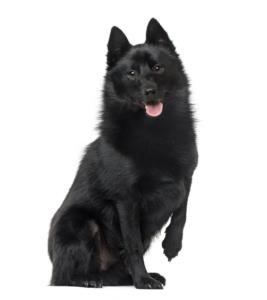


 out of 5 in a scale of how healthy they are.