

LOST PET HOTLINE 1300 738 999

Grooming a Nova Scotia Duck Tolling Retriever

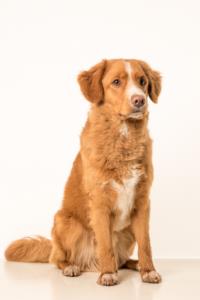
Planning on owning a Nova Scotia Duck Tolling Retriever and want to know more about grooming a Nova Scotia Duck Tolling Retriever?

Learn the Nova Scotia Duck Tolling Retriever’s grooming requirements, how often to groom them, how to groom them, Nova Scotia Duck Tolling Retriever grooming equipment required and more on this website.

Dog ID Tags for Sale
Grooming a Nova Scotia Duck Tolling Retriever
Dog ID Tags for Sale


Dog ID Tags for Sale

How Often To Groom a Nova Scotia Duck Tolling Retriever?

From the opinion of professional Nova Scotia Duck Tolling Retriever dog groomers, Nova Scotia Duck Tolling Retriever dogs score out of 5 in a scale of how frequent they need to be groomed.

Low Maintenance: Grooming is only necessary once in a while to maintain upkeep. Occasional trimming or stripping needed.


 

Why Groom your Nova Scotia Duck Tolling Retriever dog?

Regular grooming is essential for your Nova Scotia Duck Tolling Retriever’s wellness, look, and health. An untended coat can end up being long, matted, really unpleasant and irritating for your Nova Scotia Duck Tolling Retriever. Regular grooming will avoid this and provides numerous other terrific benefits for you and your Nova Scotia Duck Tolling Retriever, including:

  • Better odor and health
  • Prevents matting
  • Healthier and shinier coats that shed less
  • Makes your pet look better
  • Great opportunity to look for any fleas
  • Lowers the risks of ear infections
  • Can spot any skin or health associated issues

Brushing and grooming your Nova Scotia Duck Tolling Retriever canine are activities that also help to reinforce the bond with your family pet. Brushing should be a pleasant, tension free and reassuring experience between you and your Nova Scotia Duck Tolling Retriever.


How to Groom a Nova Scotia Duck Tolling Retriever?

Dog ID Tags for Sale

Pet dog grooming is a vital part of keeping your Nova Scotia Duck Tolling Retriever delighted and healthy. We have put together a simple to follow guide on how to groom a Nova Scotia Duck Tolling Retriever.

  1. Brush your Nova Scotia Duck Tolling Retriever diligently and completely, removing and tangles, mats, and knots.
  2. Before bathing your Nova Scotia Duck Tolling Retriever, clip their coat if needed.
  3. Clear their anal sacs if required.
  4. Bathe and wash your Nova Scotia Duck Tolling Retriever completely with both shampoo and conditioner.
  5. After their bath, dry them with a towel or hair dryer.
  6. Tidy their eyes and ears, beware with this step.
  7. Cut their toenails.
  8. Brush your Nova Scotia Duck Tolling Retrievers teeth.
  9. Brush their hair out again and if you have leave-in conditioner, use it to your Nova Scotia Duck Tolling Retriever now.
  10. If you think its needed, clip their hair.


How Often to Groom a Nova Scotia Duck Tolling Retriever?

How often you require to brush and groom your Nova Scotia Duck Tolling Retriever truly depends upon your pet dog and their dog breed. Their coat type and length and even recent activities are a few factors that will determine how frequently they need to be groomed.

Pet dogs with short coats like Beagles, Bulldogs and Labradors normally need much less combing, brushing and grooming compared to long hair dogs like Poodles, Border Collies and Pomeranians. Because medium and long hair pet dogs have much longer coats that can become tangled and matted more easily, this is.

Your Nova Scotia Duck Tolling Retriever dog must be brushed and groomed ‘as required’. As a Nova Scotia Duck Tolling Retriever owner you must monitor the condition of your pet dog’s coat, searching for any tangles, mats or dullness which indicates they might need a brush.


Best Grooming Tools for Nova Scotia Duck Tolling Retrievers

Great pet dog grooming tools and supplies is needed for grooming your Nova Scotia Duck Tolling Retrievers well. Below is a list of essential canine grooming tools for Nova Scotia Duck Tolling Retrievers, that will be helpful for you.

1. Comb: A medium-toothed comb is a fantastic versatile comb for Nova Scotia Duck Tolling Retrievers. Longhaired dogs will require to be combed a lot regularly than shorthaired canines.

2. Brush: A slicker brush is a great all-round brush for Nova Scotia Duck Tolling Retrievers. You need to be brushing your Nova Scotia Duck Tolling Retrievers hair every few days.

3. Canine Shampoo & Conditioner: Like our hair, our Nova Scotia Duck Tolling Retrievers requires to be washed too. Normally, the majority of canine owners clean their dogs a minimum of every 4 weeks.

4. Pet Dog Toothpaste & Toothbrush: Not many Nova Scotia Duck Tolling Retriever owners brush their Nova Scotia Duck Tolling Retrievers teeth on a regular basis, however it is recommended they must be brushed minimum 3 times a week.

5. Pet Nail Clippers: It is advised that you need to clip your Nova Scotia Duck Tolling Retrievers nails every 3-4 weeks.

6. Electric Clippers: If you’re Nova Scotia Duck Tolling Retriever requires to be clipped and you don’t wish to go to the groomer, you can buy a great electric clipper and blades and learn how to shave them yourself.
 

Dog ID Tags for Sale
Lost A Pet

What to do if you lose your Akita?

Losing your Akita pet dog can be distressing both for you and your Akita. Follow these suggestions to help reunite with your Akita quicker.

1. Report your lost pet information on the Pet Reunite Lost & Found website here.

2. Post on Local Lost Pets Facebook Groups Here.

3. Call your regional vet centers to see if anybody has actually handed in your missing pet.

4. Contact the RSPCA or go to the RSPCA Lost Pets site.

5. Contact your local animal shelters, find yours here.

Report A Found Pet

What to do if you find a lost Akita?

It can be quite stressful when you discover a lost Akita dog or any animal that doesn’t have any ID tag with the owner’s information. Follow these pointers to assist reunite a lost Akita with their owner.

1. Report the found family pet details on the Pet Reunite Lost & Found site here.

2. Post on Local Lost Pets Facebook Groups Here.

3. Take the pet to your nearby veterinarian to see if they can scan the microchip and discover the owner.

4. Take the pet to your local animal shelter, find yours here.

5. Call your local council to gather the lost family pet.

Lost & Found Pet Groups on Facebook

How to use Lost & Found Pet Groups on Facebook?

Nowadays, numerous owners are reuniting with their lost animals through Lost & Found Pet Groups on Facebook. If you’re unsure how to use it, whether you lost an animal or found a pet, here are some practical tips to get you began.

1. Find your local Lost & Found Pet Groups and join as a lot of them as you can, find yours here.

2. Post the lost or found pet details on all the groups you joined, make certain to consist of images.

3. Keep an eye out for any replies or others publishing about the exact same family pet.

4. If someone posts about your lost pet or the pet you found be sure to get in contact with them ASAP.

Select your currency
AUDAustralian dollar
EUR Euro