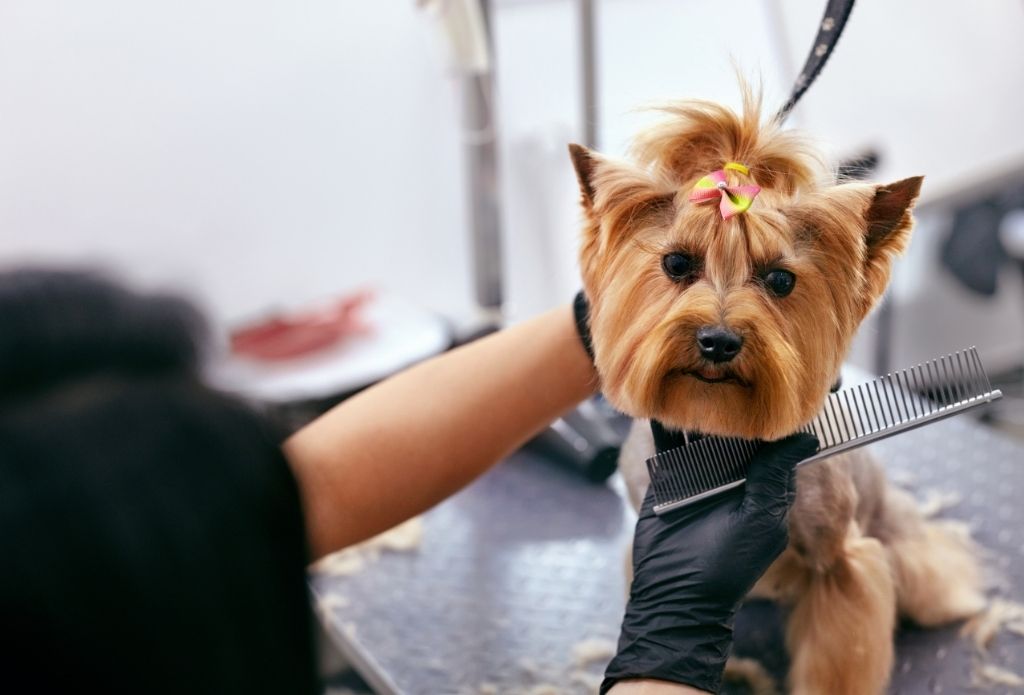
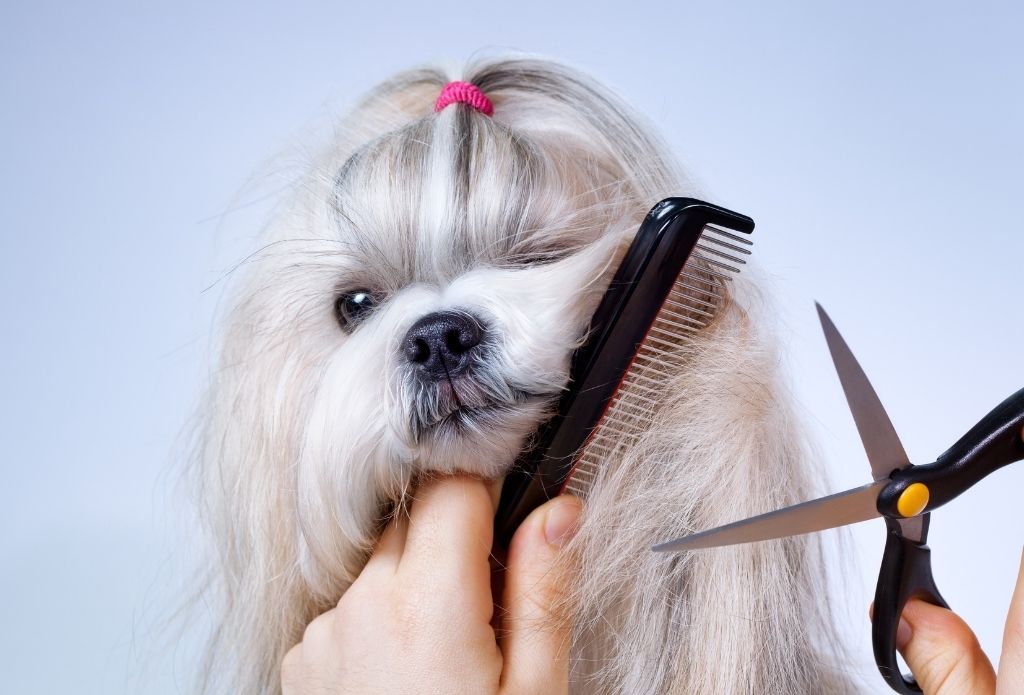
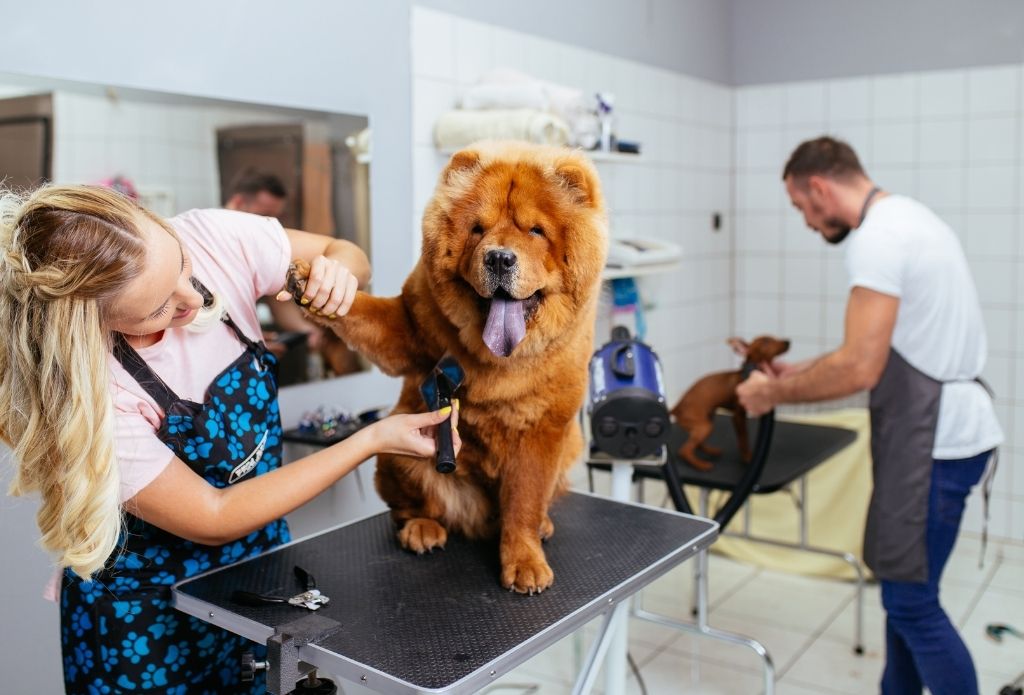
Things you Should Know Before Booking The Pet Grooming Service at Your Dog Groomers in Madison Heights VA
pet grooming takes anywhere in between 2-4 hours depending on the size of your fur baby and how long back your family pet had the last family pet grooming treatment. It is not a good idea to hurry the pet grooming process as it bad for your dog’s well being.
If you should cancel or reschedule your family pet grooming appointment, please give at least 24 hours notice to prevent paying late canceling charge.
All breed grooming fees will be validated by the fur baby groomer at hand over.
Normally, a dematting cost will be applied to matted coats on your family pet. Additional fee may be applied for pets with difficult personality.
General Canine Advice for Pet Dog Moms and Dads in Madison Heights VA
Tips on Grooming Your Dog for pet Owners in Madison Heights VA
Periodic grooming with a brush or comb will really help keep your pet’s hair in better shape by removing dirt, spreading out natural oils across her coat, avoiding tangles and maintaining her skin irritant-free and clean.
Plus, grooming time is a good time to look for fleas and flea dirt– those little black specks that suggest your fur baby is playing host to a flea family.
Find out more about, brushing you dogs or check out listed below.
The way you brush your fur baby and how frequently will largely depend upon his/her coat type.
Smooth, Short Coats: If your dog has a smooth, brief coat (like that of a Chihuahua, Boxer or Basset Hound), you only need to brush as soon as a week. Use a rubber brush to loosen up dead skin and dirt and follow with bristle brush to eliminate dead hair. Polish your low-maintenance pooch with a chamois fabric and she’s primed to shine!
Short, Thick Fur: If your pet dog has short, thick fur that’s inclined to matting, like that of a retriever, brushing when a week is fine. Choose a slicker brush to eliminate tangles and catch dead hair with a bristle brush. Do not forget to comb her tail!
Long, Silky Coats: If your canine has a long, luxurious coat, such as that of a Yorkshire terrier, she’ll require everyday looking after. Every day you’ll need to get rid of tangles with a slicker brush. Next, brush her coat with a bristle brush. If you have a long-haired pet with a coat like a collie’s or an Afghan hound’s, follow the actions above, however also make sure to comb through the fur and trim the hair around the feet.
Long Hair That’s Frequently Matted: For long-haired pooches, it’s a great concept to set up a daily grooming routine to get rid of tangles and avoid mats. Carefully tease out tangles with a slicker brush, and after that brush your fur baby with a bristle brush. If matting is especially dense, you might attempt clipping the hair, taking care not to come near the skin.
Knowing When to See the Vet in Madison Heights VA
You should arrange a visit with your vet as soon as you find any problems in your family pet’s skin or hair, or if your family pet starts to scratch, lick, or bite parts of his fur exceedingly.
Your veterinarian might undertake diagnostic tests to determine the source of your pet’s signs, such as a skin biopsy, ringworm test, microscopic evaluation of the hair and skin for parasites or infection, and blood tests to check your canine’s overall health.
Tips on Dental Care for Dog Owners in Madison Heights VA
Frequently brushing your dog’s teeth, together with a healthy diet plan and lots of chew toys, can go a long way towards keeping her mouth healthy. Germs and plaque-forming foods can trigger build-up on a pet’s teeth. This can solidify into tartar, possibly causing gingivitis, declining gums and missing teeth. Numerous pooches show signs of gum illness by the time they’re 4 years of ages because they aren’t offered with proper mouth care.
Provide your pet dog regular home checks and you’ll have a really satisfied pooch with an amazing smile. We suggest brushing two to three times a week.
Initially, you’ll wish to get your fur baby used to the concept of having thier teeth brushed. To do this, start by carefully rubbing her lips with your finger in a circling movement for 30 to 60 seconds one or two times a day for a few weeks before moving on to his teeth and gums.
After a few sessions or when your pooch seems comfortable, put a bit of dog-formulated tooth paste on her lips to get her utilized to the taste.
Next, present a tooth brush designed particularly for
Ways to Protect Against Dental Concerns in Canines
Provide your pooch treats that are specifically created to keep pooch teeth healthy, and ask your veterinarian about a specifically formulated dry food that can slow down the formation of plaque and tartar.
Chew toys are likewise a great method to satisfy your dog’s natural desire to munch while making his or her teeth strong. Nibbling on a chew toy can assist massage the gums and keep teeth tidy by scraping away soft tartar, plus it also decreases your canine’s overall tension level and avoids boredom. Ask your veterinarian to suggest toxin-free rawhide, nylon and rubber chew toys.
Signs of Eye Infection in Pet Dogs
If your pet has the following signs, there may be something wrong with their eyes and you must call your veterinarian:
- Tearing and/or tear-stained hair
- Discharge and crusty cruds
- Uneven pupil size
- Red or white eyelid linings
- Cloudiness or modification in eye color
- Noticeable third eyelid
- Closed eye(s).
Identifying an Ear Infection in Dogs
It can be hard for caught up debris or water inside a canine’s ear to be released, making it rather easy for canines to get ear infections. Make certain you are regularly checking your pet’s ears for odor, swelling, discharge or any other indications of infection. Visit your vet as soon as you can if your dog has any of the signs revealed below.
- Ear scratching
- Ear swelling
- Ear smell
- Release that is brown, yellow or bloody
- Crusted or scabby skin surrounding the ear flap
- Loss of hair around the ear
- Redness surrounding ear
- Loss of balance
- Loss of hearing
- Wiping their ear on the ground
- Unusual head shaking or head tilt
- Strolling in circles
Assisting Fearful Canines
Some pets may also be scared when getting their nails cut. Watch out for any indications of distress like shivering, panting, whimpering, cowering, tail-tucking, growling, or snapping. Even with the most patient and consistent of intros, there are some canines who are not able to overcome this fear.
If your pet is afraid of getting their nails trimmed, do not force them to submit. Rather, see a veterinarian or a groomer in Madison Heights and get professional help. Otherwise, you could organise an appointment with a Certified Applied Animal Behaviorist (CAAB), a veterinary behaviourist (Dip ACVB) or a Certified Professional Dog Trainer (CPDT).
Treating Injuries in Canines
It’s relatively common for pets to get cuts or wounds from accidentally trotting on debris, glass, or other foreign items. Small wounds under half an inch can be cleaned up with antibacterial wash and then wrapped with a light bandage. Whilst deeper cuts might need veterinary care.