Things to Know Before Booking The Pet Grooming Treatment at Your Dog Groomers in West Vancouver BC
family pet grooming takes anywhere between 2-4 hours depending on the size of your pet and how long ago your fur baby had the last pet grooming treatment. It is not smart to hurry the pet grooming process as it not good for your pet dog’s well being.
If you must cancel or reschedule your family pet grooming procedure, please give a minimum of 24 hours notice to prevent paying late canceling fee.
All breed grooming costs will be validated by the pet groomer at drop off.
Normally, a dematting cost will be applied to matted coats on your pet. Additional charge may be applied for dogs with hard personality.
General Canine Tips for Pet Dog Moms and Dads in West Vancouver BC
Tips on Brushing Your Canine for Pet Owners in West Vancouver BC
Periodic grooming with a brush or comb will assist keep your pet’s hair in better shape by removing dirt, spreading out natural oils throughout her coat, preventing tangles and maintaining her skin tidy and irritant-free.
Plus, grooming time is a good time to look for fleas and flea dirt– those little black specks that indicate your fur baby is playing host to a flea household.
Discover more about, brushing you dogs or check out listed below.
The way you brush your pet and how frequently will mainly depend on his or her coat type.
Smooth, Short Coats: If your pet has a smooth, short coat (like that of a Chihuahua, Fighter or Basset Hound), you just need to brush as soon as a week. Utilize a rubber brush to loosen dead skin and dirt and follow with bristle brush to get rid of dead hair. Polish your low-maintenance pooch with a chamois fabric and she’s primed to shine!
Short, Dense Fur: If your pet has short, thick fur that’s inclined to matting, like that of a retriever, brushing once a week is fine. Choose a slicker brush to eliminate tangles and catch dead hair with a bristle brush. Do not forget to brush her tail!
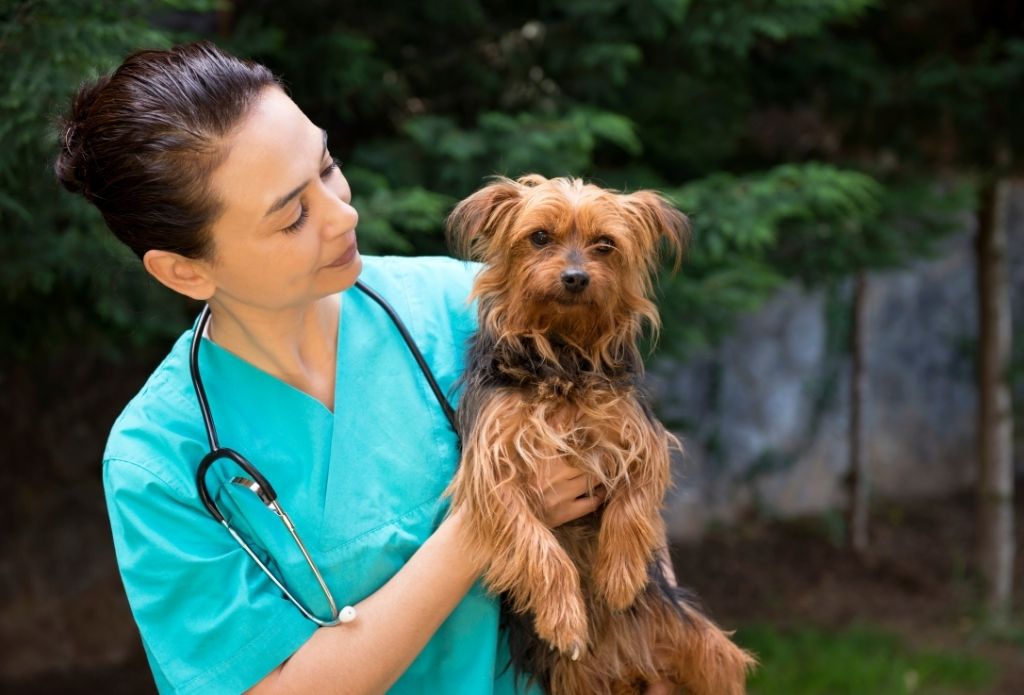
Long, Silky Coats: If your pet has a long, elegant coat, for example, that of a Yorkshire terrier, she’ll need everyday looking after. Every day you’ll need to remove tangles with a slicker brush. Next, brush her coat with a bristle brush. If you have a long-haired dog with a coat like a collie’s or an Afghan hound’s, follow the steps above, however likewise make certain to comb through the fur and trim the hair around the feet.
Long Hair That’s Often Matted: For long-haired pooches, it’s a great idea to set up a daily grooming routine to eliminate tangles and prevent mats. Gently tease out tangles with a slicker brush, and then brush your pet with a bristle brush. If matting is especially dense, you may try clipping the hair, making sure not to come near the skin.
Tips for Dog Parents in West Vancouver BC with Their Pet’s Skin Problems
Due to the fact that your pet’s skin is a reflection of her basic health, it’s critical to keep it in good form. When your pet has a skin issue, she or he might scratch, chew, and/or lick exceedingly. External parasites, infections, allergic reactions, metabolic conditions, and tension, in addition to a mix of these, could be to fault.
In order to learn more visit, skin issues on your dogs or read below.
Examine your pet’s ears and teeth initially, as these are often the source of odor-causing bacteria in animals. Keeping your dog tidy by bathing him on a regular basis may be all that is needed to eliminate the odour.
When used based on the directions on the package, a lot of pet fragrances are not likely to be damaging to your family pet. Dogs with dermal allergies, on the other hand, may have skin pain, while those with nasal allergic reactions may be impacted by the smell. If you wish to utilize pooch fragrance, follow the instructions carefully and speak with a veterinarian if your dog has a history of allergic reactions.
Please check with your veterinarian if grooming shows useless and your canine smells foul, to identify if there is any factor to establish an illness or a cause.
Other skin issues on your dog include:
- Drainage of blood or pus
- Dry, flaky or otherwise inflamed skin
- Hair loss, bald spots
- Hot spots (one particular area where itching is extreme)
- Lesions
- Rashes
- Redness or inflammation
- Round, flaky patches on the face and paws
- Rubbing face against furnishings or carpets
- Scabs
- Scratching, licking or chewing at skin
- Swellings, bumps or skin discoloration
Tips on Dental Care for Pet Parents in West Vancouver BC
Frequently brushing your pet dog’s teeth, in addition to a healthy diet plan and a lot of chew toys, can go a long way toward keeping her mouth healthy. Germs and plaque-forming foods can trigger accumulation on a dog’s teeth. This can solidify into tartar, potentially triggering gingivitis, receding gums and tooth loss. Many pooches reveal indications of gum illness by the time they’re 4 years of ages due to the fact that they aren’t offered with proper mouth care.
Give your dog regular house checks and you’ll have a very contented pooch with a stunning smile. We recommend brushing 2 to 3 times a week.
Initially, you’ll wish to get your pet used to the idea of having thier teeth brushed. To do this, start by carefully rubbing her lips with your finger in a circling movement for 30 to 60 secs one or two times a day for a couple of weeks before moving on to her gums and teeth.
After a few sessions or when your pooch appears comfy, put a bit of dog-formulated tooth paste on her lips to get her used to the taste.
Next, introduce a toothbrush created especially for cats or pets
Common Eye Problems in Dogs
The following eye-related disorders are typically seen in pets:
Dry Eye: Reduced tear production can trigger swelling, discharge, and squinting.
Cataract: Opacity on the eye which can trigger diminished vision and even loss of sight.
Conjunctivitis: One or both eyes are red and inflamed with potential discharge.
Ear Care for Dogs Who Swim
Canines that have regular baths or go swimming a lot can be more susceptible to ear irritation and infection. To prevent infection, put cotton inside your pet’s ears before baths or swimming and be sure to dry their ears out thoroughly once they’re done.
Choosing Nail Clippers for Your Pet Dogs
There are normally two types of nail clippers for dogs: scissors or guillotine. They work similarly well, so simply go with the design that you feel more comfortable utilizing and managing.
Another tool is the nail grinder if your canine is not comfortable with either clipper types. It is an electrical tool that essentially sands down fur baby nails. They offer excellent control however take longer than routine clippers and some animals may discover the vibration sounds to be frightening or unpleasant. Ask your West Vancouver groomer for advice on what nail clipper will be better for your dog and how to securely use them.
Avoiding Paw Problems in Canines
When beginning a brand-new exercise routine with your family pet, get into it gradually. Their paws can quickly end up being sensitive or cracked, particularly with long hikes or runs. Ensure your yard and house are clear from any hazards and also prevent hazards like debris and broken glass when out for walks. Last but not least, constantly remember this simple pointer – if you wouldn’t wish to walk barefoot on it, neither will your family pet!