Things you Need to Know Before Booking The Pet Grooming Treatment at Your Dog Groomers in Vancouver BC
fur baby grooming takes anywhere in between 2-4 hours depending on the size of your pet and how long ago your pet had the last pet grooming appointment. It is not a good idea to hurry the pet grooming procedure as it not good for your canine’s well being.
If you need to cancel or reschedule your family pet grooming session, please offer a minimum of 24 hours notice to avoid paying late cancellation charge.
All breed grooming fees will be confirmed by the fur baby groomer at drop off.
Normally, a dematting fee will be applied to matted coats on your fur baby. Extra cost might be requested for pet dogs with difficult character.
General Canine Advice for Pet Dog Owners in Vancouver BC
Advice on Shedding for Canine Owners in Vancouver BC
Despite the fact that shedding old or damaged hair is a regular process for dogs, the amount and frequency of hair shed frequently relies on their health, breed type and season. Lots of pets develop thick coats in the winter season that are then shed in the spring. Pets who are always kept inside, nevertheless, are prone to smaller variations in coat density and tend to shed relatively equally all year.
Discover more about, minimising shedding on your pets or check out below.
The way you brush your family pet and how frequently will mostly depend upon his/her coat type.
Actions to Lessen Shedding: While you can not stop a healthy dog from regular shedding, you can lower the quantity of hair in your house by brushing your dog regularly. Ask your veterinarian or groomer to recommend a specific type of brush or comb that will work best for your canine’s hair type.
Extreme Loss Of Hair: Shedding is a typical process for family pets. Excessive shedding can also be circumvented with proper nutrition. Quality pet-food producers work hard to consist of the correct amount of nutrients so that supplements are not required, however family pets with sensitivities or allergies may need to explore various brand names to discover which food works best for them.
However, excessive loss of hair or bald spots may be due to among the following:
- Cancer
- Contact with caustic or annoying compound
- Particular medications
- Bacterial or fungal infections
- Immune disease
- Inhalant- or food-related allergic reactions
- Kidney, liver, thyroid or adrenal disease
- Parasites (fleas, lice or mites)
- Pregnancy or lactation
- Self-induced injury due to licking
- Sunburn
If you notice any of the list below conditions, consult with your vet for treatment.
- Skin inflammation, consisting of inflammation, rashes, scabs or bumps
- Open sores of any kind
- Bald areas or thinning of coat
- Dull, dry hair that pulls out quickly
- Scratching
- Constant foot licking or face rubbing
Tips for Dog Owners in Vancouver BC with Their Pet’s Skin Problems
Due to the fact that your canine’s skin is a reflection of her general health, it’s important to keep it in good form. When your canine has a skin problem, she or he may scratch, chew, and/or lick exceedingly. External parasites, infections, allergic reactions, metabolic conditions, and tension, in addition to a mix of these, could be to fault.
To understand more on, skin issues on your dogs or read below.
Examine your fur baby’s ears and teeth first, as these are regularly the source of odor-causing bacteria in family pets. Keeping your canine clean by bathing him on a regular basis might be all that is required to eliminate the odour.
When used according to label suggestions, many dog perfumes are unlikely to be harmful to most pets. Pet dogs with dermal allergies, on the other hand, might have skin discomfort, while those with nasal allergic reactions might be affected by the fragrance. If you want to use pooch perfume, just utilize it as advised and seek advice from a veterinarian if your family pet has a history of allergies.
Whether grooming is inadequate and your pet continues to stink, visit your veterinarian to identify if there is a hidden cause or condition.
Other skin problems on your pet include:
- Drainage of blood or pus
- Dry, flaky or otherwise irritated skin
- Loss of hair, bald spots
- Hot spots (one specific location where itching is extreme)
- Lesions
- Rashes
- Redness or inflammation
- Round, scaly patches on the face and paws
- Rubbing face onto furniture or carpeting
- Scabs
- Scratching, licking or chewing at skin
- Swellings, bumps or skin staining
Tips on Dental Care for Pet Parents in Vancouver BC
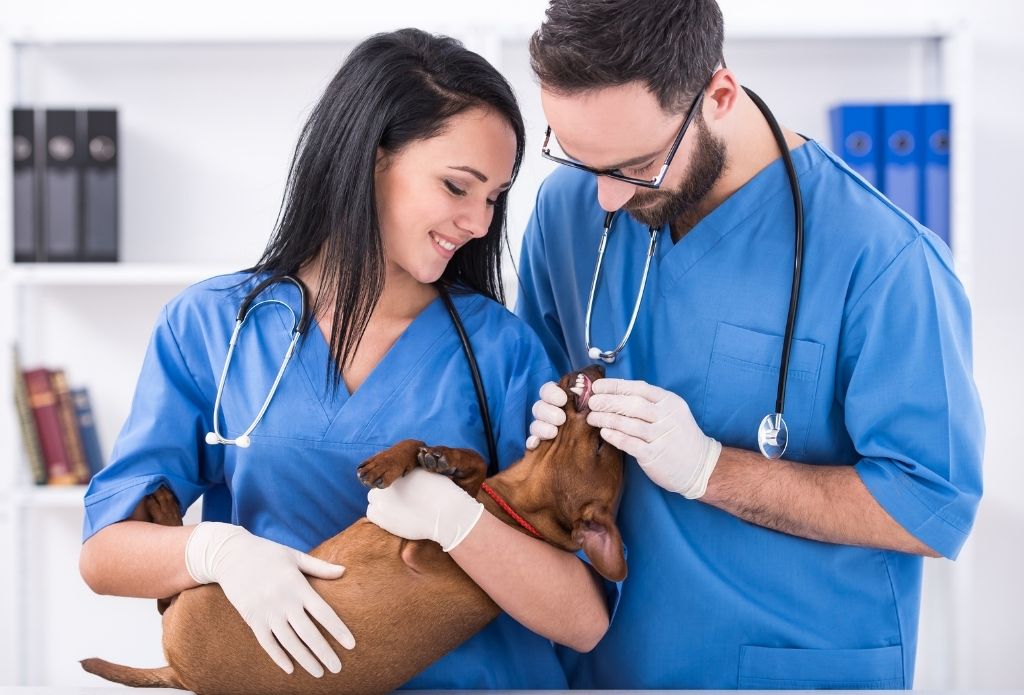
Regularly brushing your pet dog’s teeth, in addition to a healthy diet and lots of chew toys, can go a long way toward keeping her mouth healthy. Bacteria and plaque-forming foods can trigger build-up on a pet’s teeth. This can harden into tartar, potentially triggering gingivitis, declining gums and tooth loss. Many pooches show indications of gum disease by the time they’re 4 years old because they aren’t supplied with correct mouth care.
Provide your pet regular house checks and you’ll have an extremely satisfied pooch with an amazing smile. We recommend brushing 2 to 3 times a week.
Initially, you’ll wish to get your pet used to the idea of having his teeth brushed. To do this, begin by carefully massaging her lips with your finger in a circling movement for 30 to 60 seconds one or two times a day for a few weeks before proceeding to her gums and teeth.
After a few sessions or when your pooch seems comfy, put a bit of dog-formulated toothpaste on her lips to get her used to the taste.
Next, present a toothbrush developed specifically for
Choosing Toothpaste for Canines
Do not use human toothpaste, which can aggravate a pet dog’s stomach. Rather, ask your veterinarian for toothpaste made specifically for canines or make a paste out of baking soda and water.
Common Eye Issues in Canines
The following eye-related conditions are frequently seen in dogs:
Dry Eye: Damaged tear production can cause swelling, discharge, and squinting.
Cataract: Opacity on the eye which can cause lessened vision and potential loss of sight.
Conjunctivitis: One or both eyes are red and inflamed with possible discharge.
Recognizing an Ear Infection in Dogs
It can be hard for caught up debris or water inside a canine’s ear to be launched, making it quite easy for canines to get ear diseases. Ensure you are regularly checking your dog’s ears for smell, swelling, discharge or any other signs of infection. If your pet dog has any of the symptoms shown below, visit your vet as quickly as you can.
- Ear scratching
- Ear swelling
- Ear odor
- Discharge that is brown, yellow or bloody
- Crusted or scabby skin surrounding the ear flap
- Hair loss around the ear
- Inflammation surrounding ear
- Vertigo
- Loss of hearing
- Wiping their ear on the ground
- Unusual head shaking or head tilt
- Strolling in circles
Assisting Dogs with Sensitive Feet
A great deal of pet dog’s do not like getting their feet and nails touched, so it’s advised to get your dog utilized to it prior to clipping their nails (ideally, beginning when they are a young puppy). Rub your hand up and down their leg and gently push down on every single toe. Do not forget to provide lots of appreciation and even treats. Doing this everyday for a week will have them feeling more comfortable when they get their nails cut. Another great suggestion is tiring your dog out before beginning the nail trimming.
Avoiding Paw Problems in Canines
When introducing a brand-new workout routine with your pet, start it slowly. Their paws can quickly end up being sensitive or split, especially with long hikes or runs. Make certain your backyard and house are clear from any hazards and also avoid hazards like debris and damaged glass when out for walks. Last but not least, always remember this simple tip – if you would not wish to stroll barefoot on it, neither will your pet!