Things to Know Before Booking The Pet Grooming Service at Your Dog Groomers in Tamborine Mountain QLD
fur baby grooming takes anywhere in between 2-4 hours depending upon the size of your fur baby and how long ago your pet had the last family pet grooming treatment. It is not smart to rush the pet grooming procedure as it bad for your pet’s well being.
If you need to cancel or reschedule your pet grooming appointment, please offer at least 24 hours notice to avoid paying late canceling charge.
All breed grooming charges will be validated by the family pet groomer at hand over.
Normally, a dematting charge will be applied to matted coats on your fur baby. Additional charge may be requested for dogs with tough personality.
General Canine Advice for Family Pet Dog Owners in Tamborine Mountain QLD
Tips on Brushing Your Dog for family pet Owners in Tamborine Mountain QLD
Regular grooming with a brush or comb will assist keep your family pet’s hair in excellent shape by getting rid of dirt, spreading out natural oils throughout her coat, avoiding tangles and keeping her skin tidy and irritant-free.
Plus, grooming time is a fun time to look for fleas and flea dirt– those little black specks that suggest your fur baby is playing host to a flea household.
Find out more about, brushing you dogs or read listed below.
The way you brush your family pet and how typically will largely depend on his or her coat type.
Smooth, Short Coats: If your pet has a smooth, short coat (like that of a Chihuahua, Boxer or Basset Hound), you just require to brush once a week. Utilize a rubber brush to loosen up dead skin and dirt and follow with bristle brush to eliminate dead hair. Polish your low-maintenance pooch with a chamois fabric and she’s all set to shine!
Brief, Thick Fur: If your canine has short, thick fur that’s prone to matting, like that of a retriever, brushing when a week is great. Use a slicker brush to eliminate tangles and catch dead hair with a bristle brush. Don’t forget to brush her tail!
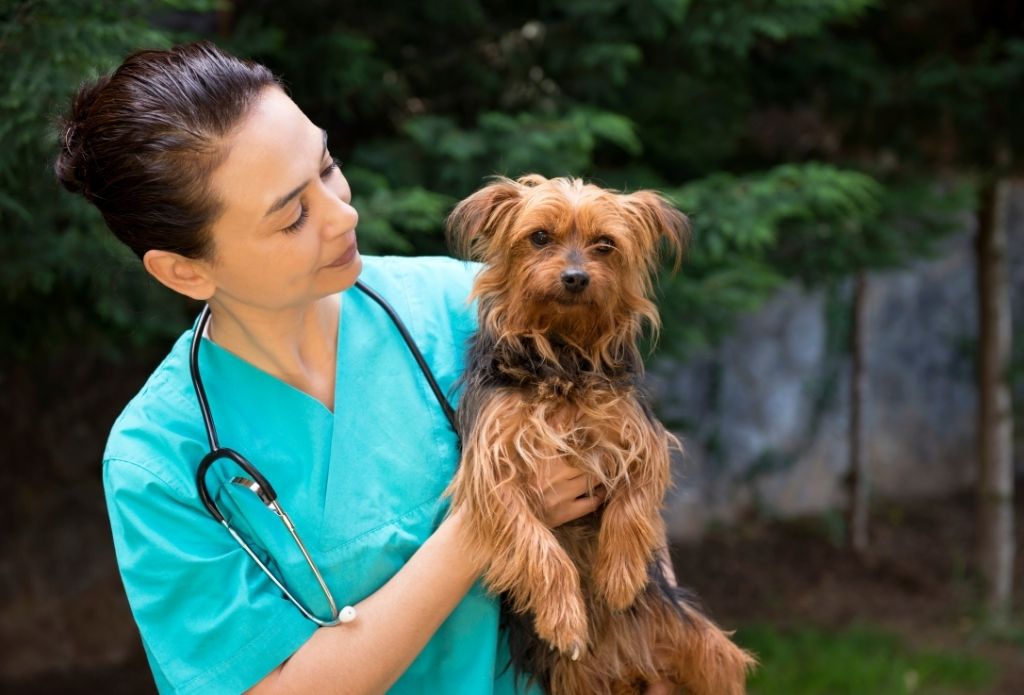
Long, Silky Coats: If your canine has a long, luxurious coat, just like that of a Yorkshire terrier, she’ll require daily attention. Every day you’ll need to eliminate tangles with a slicker brush. Next, brush her coat with a bristle brush. If you have a long-haired pet with a coat like a collie’s or an Afghan hound’s, follow the actions above, however likewise make certain to comb through the fur and cut the hair around the feet.
Long Hair That’s Frequently Matted: For long-haired pooches, it’s a good concept to set up an everyday grooming routine to get rid of tangles and avoid mats. Gently tease out tangles with a slicker brush, and after that brush your fur baby with a bristle brush. If matting is especially thick, you may attempt clipping the hair, taking care not to come near the skin.
Treating Mange on Pet Dogs
Take your canine to a vet, who will do a physical exam, take a look at skin scrapings, and utilize a microscope to verify the existence of mange mites. Due to the fact that mange termites can be difficult to spot when they are buried deep under a canine’s skin, your vet may depend upon medical signs or your pet’s history to develop a definitive diagnosis.
Medication might be administered orally or topically through injection, shampoo, or dip, depending upon the sort of mange and the type of canine. Secondary skin infections in certain affected pet dogs may require specialised treatment. Skin scrapes ought to be carried out every 2 weeks as part of the treatment.
Please keep in mind that lots of skin treatments can be damaging to canines, so consult your vet prior to commencing any mange treatment strategy.
Preventing Mange on Dogs
If your canine has sarcoptic mange, you must totally clean or change his bedding and collar, along with treat other animals with whom your fur baby comes into touch. If you believe a next-door neighbor’s pet is ill, keep your dogs away to prevent the disease from spreading. To guarantee that the mites have actually been eliminated, take your dog to the vet regularly, as recommended for skin scrapes.
You’ll desire to get your pet used to the concept of having his teeth brushed. To do this, begin by gently massaging her lips with your finger in a circling motion for 30 to 60 secs one or two times a day for a couple of weeks before proceeding to her gums and teeth.
After a few sessions or when your pooch appears comfy, put a bit of dog-formulated tooth paste on her lips to get her used to the taste.
Next, introduce a toothbrush developed specifically for
Indications of Oral Disease in Canines
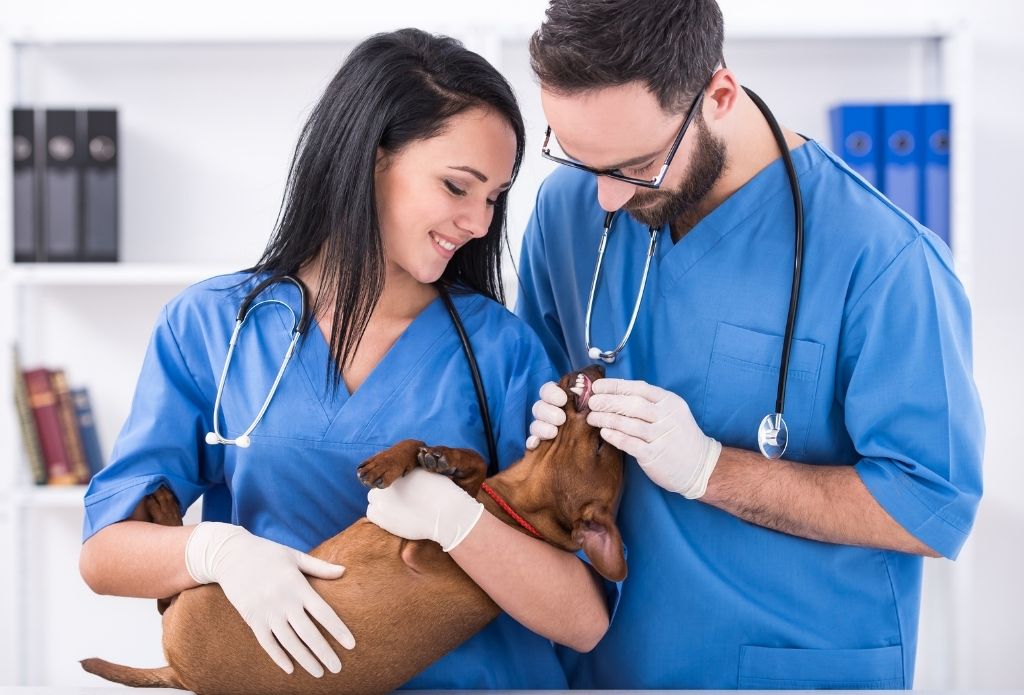
Once a week, raise your family pet’s lips and analyze his teeth and gums. The gums ought to be pink, not white or red, and should show no signs of swelling. His teeth need to be clean, without any brownish tartar. A veterinary examination in advance might be practical to learn if your canine’s gums are inflamed.
Halitosis, extreme drooling, loose teeth, swollen gums, growths in the gums or cysts under the tongue are signs that your canine may have an issue in his mouth or intestinal system and should be examined by a veterinarian.
Getting knowledgeable about these typical mouth issues will assist you identify if it’s time for your pet to see a veterinarian:
Periodontal disease is an uncomfortable gum infection that can lead to tooth loss and spread infection to the remainder of the body. Indications are loosened teeth, bad breath, tooth pain, sneezing and nasal discharge.
Gingivitis is a swelling of the gums triggered mainly by build-up of plaque, tartar and disease-producing bacteria above and below the gum line. Signs consist of bleeding, red, inflamed gums and halitosis. It is reversible with regular teeth cleansings.
Inflamed gums establish when tartar builds up and food gets stuck in between the teeth.Regularly brushing your pet’s teeth in your home and getting yearly cleansings at the vet can prevent tartar and gingivitis.
Proliferating gum disease happens when the gum grows over the teeth and must be treated to prevent gum infection. An inherited condition typical to boxers and bull terriers, it can be managed with prescription antibiotics.
Mouth tumors appear as lumps in the gums. Some are malignant and must be surgically gotten rid of.
Salivary cysts appear like large, fluid-filled blisters under the tongue, however can likewise develop near the corners of the jaw. They require drain, and the damaged saliva gland must be removed.
Canine distemper teeth can occur if a dog had distemper as a puppy. Adult teeth can appear looking eroded and can often decay. As damage is permanent, decayed teeth need to be eliminated by a veterinarian.
Tips on Eye Care for Dog Parents in Tamborine Mountain QLD
Did you know that you can offer routine eye care for your dog in the house? Routine house eye tests will ensure you’re mindful of any eye tearing, cloudiness, health issues, and swelling.
First, get your canine to sit and face a brightly lit area when analyzing their eyes. If healthy, they should be lit and clear, and the surrounding location to the eyeball will be white. The pupils need to be equally sized and there must not be any indications of tearing, crust, or discharge on the corners of their eyes.
To remove any substance in their eyes, utilize a mild wipe and a moist cotton ball. Carefully clean in the outer direction from the corner of their eyes and ensure you don’t touch their eye itself. If your family pet routinely has runny eyes caused from discharge, its best you look for medical attention from your local vet as they may have an infection.
Recognizing an Ear Infection in Canines
It can be difficult for caught up debris or water inside a pet’s ear to be launched, making it quite easy for dogs to get ear diseases. Make sure you are routinely checking your canine’s ears for smell, swelling, discharge or any other indications of infection. Visit your vet as soon as you can if your pet dog has any of the signs revealed below.
- Ear scratching
- Ear swelling
- Ear odor
- Discharge that is brown, bloody or yellow
- Crusted or scabby skin surrounding the ear flap
- Hair loss around the ear
- Redness surrounding ear
- Vertigo
- Loss of hearing
- Wiping their ear on the ground
- Uncommon head shaking or head tilt
- Walking in circles
Choosing Nail Clippers for Your Dogs
There are typically 2 kinds of nail clippers for canines: scissors or guillotine. They work similarly well, so just choose the style that you feel more comfortable managing and utilizing.
Another tool is the nail mill if your pet dog is not comfortable with either clipper types. It is an electrical tool that actually sands down family pet nails. They use excellent control but take longer than regular clippers and some pets may discover the vibration sounds to be frightening or undesirable. Ask your Tamborine Mountain groomer for guidance on what nail clipper will be most ideal for your canine and how to securely utilize them.
Treating Injuries in Dogs
It’s fairly typical for dogs to get cuts or wounds from unintentionally trotting on debris, glass, or other foreign things. Small injuries under half an inch can be cleaned with antibacterial wash and after that covered with a light plaster. Whilst deeper cuts might require veterinary care.