Things to Know Before Booking The Pet Grooming Service at Your Dog Groomers in Oceanside NY
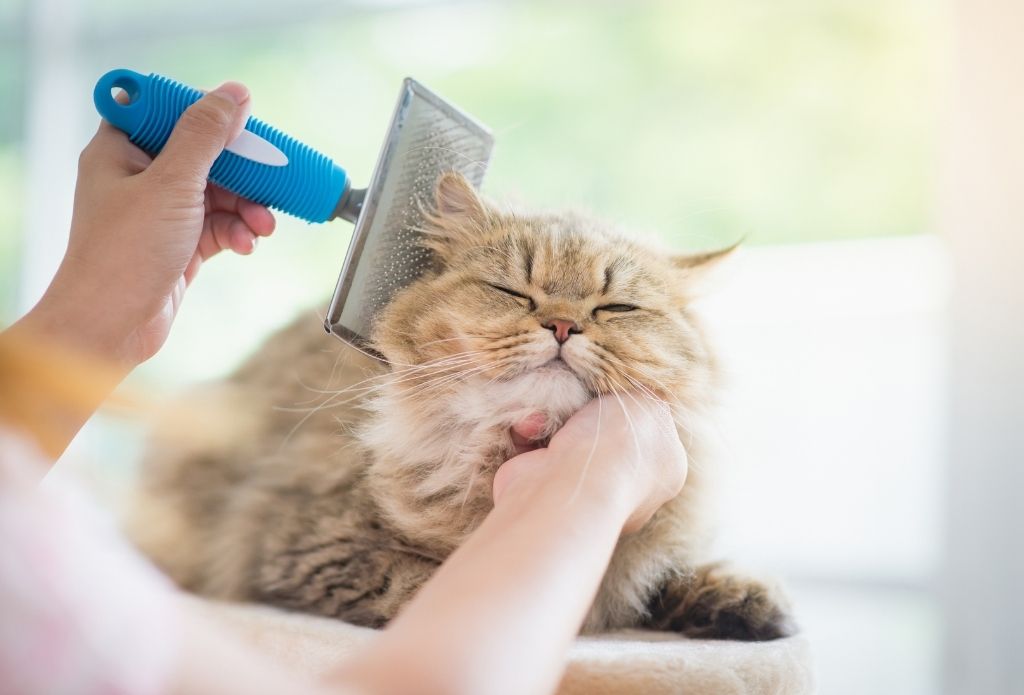
fur baby grooming takes anywhere in between 2-4 hours depending on the size of your family pet and how long back your fur baby had the last family pet grooming appointment. It is not a good idea to rush the pet grooming process as it bad for your pet dog’s well being.
If you need to cancel or reschedule your pet grooming session, please give a minimum of 24 hours notice to prevent paying late cancellation charge.
All breed grooming prices will be confirmed by the pet groomer at hand over.
Generally, a dematting fee will be applied to matted coats on your fur baby. Additional cost might be applied for pets with tough temperament.
General Pet Advice for Pet Dog Parents in Oceanside NY
Treating Hot Spots on Your Pet Dog
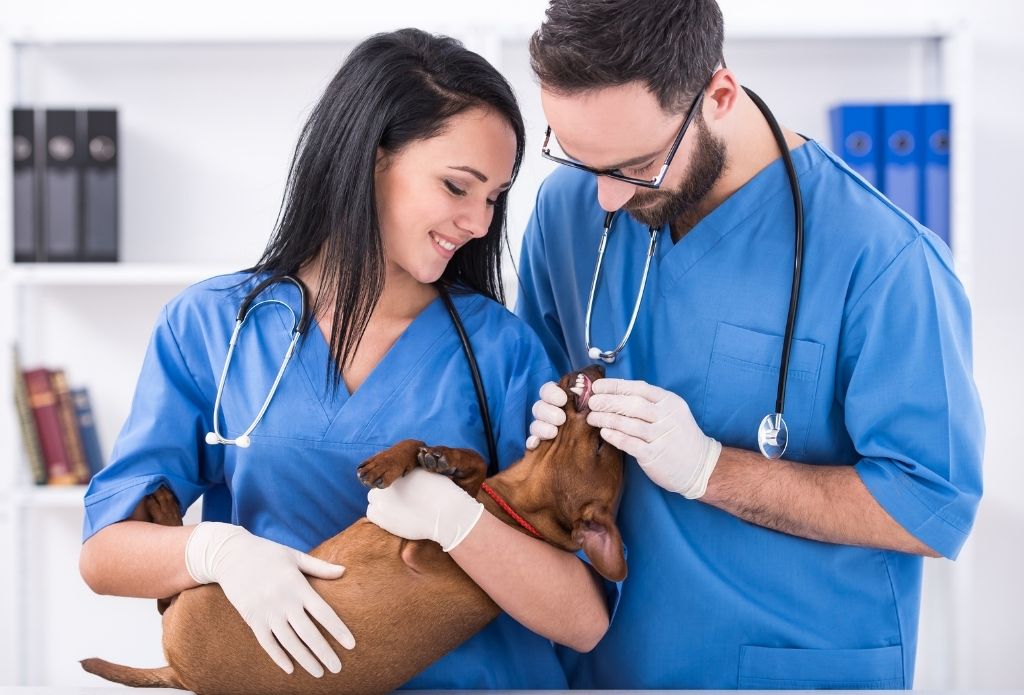
You should see your vet for a check up as quickly as you notice any kind of abnormality in your pet’s skin, or if your pet dog begins to excessively scratch, lick and/or bite areas on his fur. Your veterinarian will certainly try to identify the source of hot spots. Whether it is a flea allergic reaction, an anal gland infection or stress, the underlying problem requires to be looked after. Your vet will prescribe the treatment and also medicines needed to make your pet dog more comfy and also allow the hot spots on your dogs to go away. This might consist of the use of an Elizabethan collar to maintain your canine from biting and licking existing lesions.
Therapy might additionally include the following:
- Shaving of the hair surrounding the lesion, which allows air and also medication to get to the injury
- Cleansing the hot spot with a non-irritating solution
- Pain relievers as well as anti-biotics
- Medicine to avoid and treat parasites
- Balanced diet regimen to aid maintain healthy and balanced skin as well as coat
- Nutritional supplement having vital fatty acids
- Antihistamines or corticosteroids to control itching
- Hypoallergenic diet for food allergies
Preventing Locations
- Make certain your pet dog is brushed often, as well as you might opt to keep your animal’s hair clipped short, specifically throughout warmer months.
- Comply with a strict flea control program as suggested by your vet.
- To keep monotony and also stress away, see to it your canine gets appropriate workout and also play with his human family or canine buddies.
Causes of skin problems on dogs – One of the following can cause an anomaly of your skin and a veterinarian ought to examine it.
- Fleas – Bites from these bothersome bugs may aggravate the skin of your pet dog and some dogs might have an allergy to saliva after a bite. Some canines may also be vulnerable to flea treatment; some flea collars might trigger redness and swelling around the neck, for instance.
- Ringworm – A greatly transmittable fungal infection, flaky spots and hair loss can ensue. You will want to treat it straight away to avoid infection of other animals and people in the house.
Seasonal or food allergies – The scratching of your canine might be caused by its level of sensitivity to common allergens from pollen, weed, dust, termites, trees, moulds and herbs. Numerous pet dogs, like individuals, get dry in winter season with dry skin. Many pets get allergies to popular food components such as beef, chicken, wheat, corn or soy in pet dog meals. Even colouring and fillers might be recognised by the body immune system of your pet as alien and result in irritation and rashes.
Skin infections – Canines might get bacterial or yeast infections when the skin is impacted by other skin conditions./li>
Sarcoptic mange – This skin problem triggered by sarcoptic scabei mite invasion leads in serious itching and swelling of the skin, similar to an allergic reaction.
Grooming products – Some hair shampoos and toiletries may aggravate the skin of your pet dog. Make certain you just use toiletries planned for family pets.
Stress or boredom –A pet may lick her skin (particularly her legs) exceedingly for a variety of factors. Some lick when they are not offered enough chances for movement or psychological stimulation.
Metabolic or hormonal problems –For numerous causes, a pet can lick his skin too much (especially his legs). Some pets lick when the exercise or psychological stimulation is not adequate.
Tips on Dental Care for Pet Owners in Oceanside NY
Frequently brushing your pet dog’s teeth, together with a healthy diet and lots of chew toys, can go a long way towards keeping her mouth healthy. Germs and plaque-forming foods can trigger build-up on a canine’s teeth. This can harden into tartar, potentially causing gingivitis, receding gums and missing teeth. Numerous pooches show signs of gum illness by the time they’re four years of ages because they aren’t provided with proper mouth care.
Provide your canine regular house checks and you’ll have an extremely pleased pooch with an amazing smile. We suggest brushing two to three times a week.
Initially, you’ll wish to get your fur baby used to the idea of having thier teeth brushed. To do this, begin by carefully rubbing her lips with your finger in a round motion for 30 to 60 seconds one or two times a day for a few weeks before moving on to her teeth and gums.
After a few sessions or when your pooch seems comfy, put a bit of dog-formulated tooth paste on her lips to get her utilized to the taste.
Next, introduce a tooth brush developed specifically for
Indications of Oral Disease in Canines
Once a week, lift your fur baby’s lips and analyze his teeth and gums. The gums need to be pink, red or not white, and should reveal no indications of swelling. His teeth should be clean, without any brownish tartar. A veterinary exam ahead of time may be useful to find out if your canine’s gums are inflamed.
Bad breath, excessive drooling, loose teeth, irritated gums, tumors in the gums or cysts under the tongue are signs that your pet might have an issue in his mouth or intestinal system and ought to be examined by a veterinarian.
Getting acquainted with these common mouth problems will help you identify if it’s time for your family pet to see a veterinarian:
Periodontal disease is an uncomfortable gum infection that can lead to tooth loss and spread infection to the remainder of the body. Signs are loose teeth, halitosis, tooth discomfort, sneezing and nasal discharge.
Gingivitis is an inflammation of the gums caused generally by build-up of plaque, tartar and disease-producing germs above and below the gum line. Signs include bleeding, red, inflamed gums and bad breath. It is fixable with routine teeth cleanings.
Swollen gums establish when tartar develops and food gets stuck in between the teeth.Regularly brushing your canine’s teeth in your home and getting yearly cleansings at the vet can avoid tartar and gingivitis.
Proliferating gum disease takes place when the gum grows over the teeth and should be dealt with to avoid gum infection. An acquired condition typical to boxers and bull terriers, it can be treated with prescription antibiotics.
Mouth tumors appear as swellings in the gums. Some are deadly and must be surgically eliminated.
Salivary cysts look like large, fluid-filled blisters under the tongue, however can likewise form near the corners of the jaw. They require drain, and the damaged saliva gland must be gotten rid of.
Canine distemper teeth can happen if a dog had distemper as a young puppy. Adult teeth can appear looking deteriorated and can frequently decay. As damage is permanent, decayed teeth must be gotten rid of by a vet.
Common Eye Problems in Canines
The following eye-related disorders are frequently seen in pet dogs:
Dry Eye: Damaged tear production can trigger swelling, discharge, and squinting.
Cataract: Opacity on the eye which can cause decreased vision and even blindness.
Conjunctivitis: One or both eyes are red and inflamed with possible discharge.
Recognizing an Ear Infection in Pet Dogs
It can be tough for caught up debris or water inside a pet’s ear to be launched, making it quite easy for canines to get ear infections. Make sure you are routinely examining your pet dog’s ears for odor, swelling, discharge or any other indications of infection. Visit your vet as quickly as you can if your pet has any of the symptoms shown listed below.
- Ear scratching
- Ear swelling
- Ear odor
- Release that is brown, yellow or bloody
- Crusted or scabby skin surrounding the ear flap
- Hair loss around the ear
- Soreness surrounding ear
- Loss of balance
- Loss of hearing
- Wiping their ear on the ground
- Uncommon head shaking or head tilt
- Strolling in circles
Assisting Fearful Dogs
Some dogs might also be scared when getting their nails cut. Keep an eye out for any indications of distress like shivering, panting, grumbling, cowering, tail-tucking, roaring, or snapping. Even with the most patient and stable of intros, there are some canines who are not able to overcome this fear.
If your canine is fearful of getting their nails cut, do not force them to submit. Rather, see a vet or a groomer in Oceanside and get professional help. Otherwise, you could arrange an appointment with a Certified Applied Animal Behaviorist (CAAB), a veterinary behaviourist (Dip ACVB) or a Certified Professional Dog Trainer (CPDT).
Applying Moisturizer on Canines
If your pet dog’s pads get dry and cracked, ask your Oceanside veterinarian for an excellent pad moisturiser. Do not apply human moisturisers as they can soften the pads and trigger injury. A paw massage will help your pet dog relax and have much better blood circulation. Start off by rubbing between the pads on the sole of the paw and after that rub between every toe.