Things you Must Know Before Booking The Pet Grooming Service at Your Dog Groomers in Brantford ON
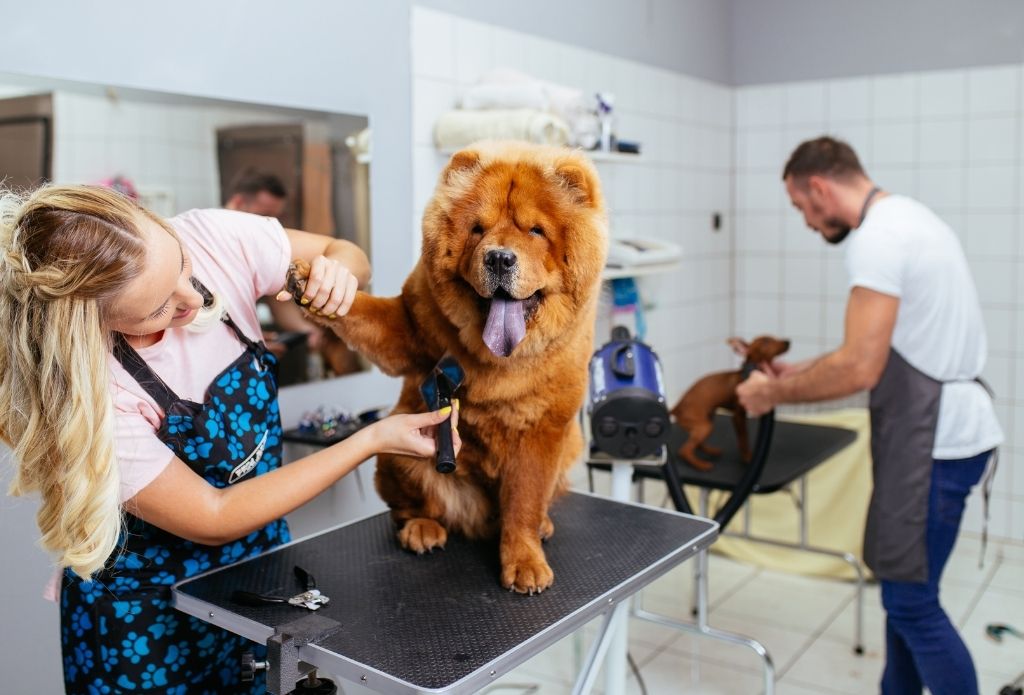
fur baby grooming takes anywhere between 2-4 hours depending upon the size of your pet and how long back your pet had the last fur baby grooming session. It is not wise to hurry the pet grooming procedure as it bad for your pet’s well being.
If you should cancel or reschedule your pet grooming appointment, please give a minimum of 24 hours notice to avoid paying late cancellation fee.
All breed grooming fees will be verified by the pet groomer at drop off.
Generally, a dematting charge will be applied to matted coats on your family pet. Extra fee might be applied for pet dogs with tough personality.
General Pet dog Advice for Pet Dog Parents in Brantford ON
Tips on Brushing Your Pet for Canine Parents in Brantford ON
Routine grooming with a brush or comb will assist keep your family pet’s hair in great shape by eliminating dirt, spreading out natural oils across her coat, avoiding tangles and maintaining her skin tidy and irritant-free.
Plus, brushing time is a fun time to check for fleas and flea dirt– those little black specks that indicate your pet is playing host to a flea family.
Discover more about, brushing you dogs or check out listed below.
The way you brush your pet and how frequently will largely depend on his or her coat type.
Smooth, Short Coats: If your pet dog has a smooth, short coat (like that of a Chihuahua, Fighter or Basset Hound), you just need to brush as soon as a week. Use a rubber brush to loosen up dead skin and dirt and follow with bristle brush to get rid of dead hair. Polish your low-maintenance pooch with a chamois cloth and she’s all set to shine!
Brief, Dense Fur: If your dog has short, dense fur that’s prone to matting, like that of a retriever, brushing when a week is great. Work with a slicker brush to remove tangles and capture dead hair with a bristle brush. Do not forget to brush her tail!
Long, Silky Coats: If your dog has a long, elegant coat, just like that of a Yorkshire terrier, she’ll need regular looking after. Every day you’ll need to remove tangles with a slicker brush. Next, brush her coat with a bristle brush. If you have a long-haired pet with a coat like a collie’s or an Afghan hound’s, follow the steps above, however also make sure to comb through the fur and trim the hair around the feet.
Long Hair That’s Regularly Matted: For long-haired pooches, it’s an excellent idea to establish a daily grooming routine to remove tangles and avoid mats. Carefully tease out tangles with a slicker brush, and after that brush your family pet with a bristle brush. If matting is particularly thick, you may try clipping the hair, making sure not to come near the skin.
Tips on Mange for Pet Owners in Brantford ON
Learn more about, mange in dogs or read below.
Mange is a skin condition brought on by a range of microscopic termites, which are frequent external parasites seen in canine buddies. Some mange termites live naturally in your pet dog’s skin and hair follicles, while others do not. While most of pet dogs coexist in harmony with their termites, termites can trigger moderate to severe skin diseases if they multiply.
- Localized cases occur in one or two small limited areas when termites increase. It results in isolated scaly bald areas– commonly on the face of the canine– that create a polka-dot appearance. This is a regular disease of young puppies and pets under the age of 18 months. About 90% of cases resolve with no kind of treatment.
- In contrast, generalised cases affect a larger area of the skin of the canine. Secondary bacterial infections make this skin problem extremely scratchy, regularly stinky. This kind of eating can also be an indication of a weakened body immune system, hereditary or endocrine or other underlying health condition. Treatment is based upon the age of the pet dog and for how long the canine had the disease.
- Poddermatitis, a demodectic kind of manga, is limited to the foot with bacterial infections. It is the most resistant. Deep biopsies are generally necessary for the medical diagnosis and the proper recognition of these mites.
Tips on Dental Care for Dog Parents in Brantford ON
Routinely brushing your dog’s teeth, along with a healthy diet plan and plenty of chew toys, can go a long way towards keeping her mouth healthy. Bacteria and plaque-forming foods can cause accumulation on a pet’s teeth. This can harden into tartar, potentially triggering gingivitis, receding gums and tooth loss. Numerous pooches reveal signs of gum disease by the time they’re 4 years old because they aren’t provided with proper mouth care.
Provide your canine routine house checks and you’ll have an extremely pleased pooch with a stunning smile. We recommend brushing 2 to 3 times a week.
First, you’ll want to get your pet used to the concept of having thier teeth brushed. To do this, begin by carefully massaging her lips with your finger in a circular motion for 30 to 60 secs one or two times a day for a couple of weeks before carrying on to her gums and teeth.
After a few sessions or when your pooch seems comfortable, put a bit of dog-formulated toothpaste on her lips to get her utilized to the taste.
Next, present a tooth brush created particularly for
Indications of Oral Disease in Canines
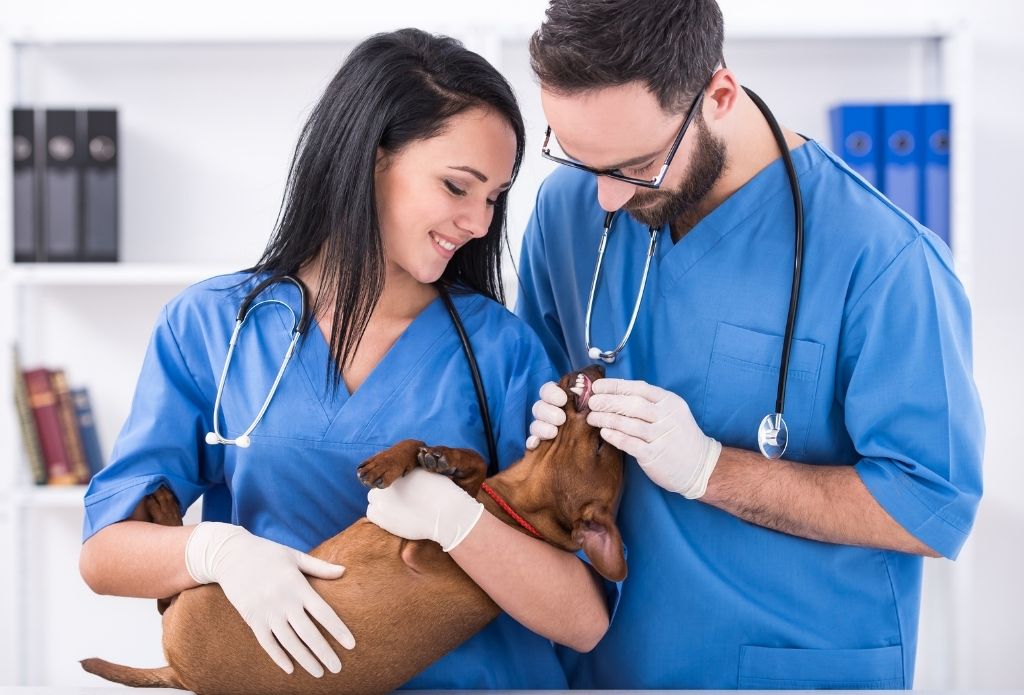
When a week, raise your fur baby’s lips and examine his teeth and gums. The gums ought to be pink, red or not white, and should show no indications of swelling. His teeth should be tidy, with no brownish tartar. A veterinary exam ahead of time may be practical to find out if your pet’s gums are inflamed.
Foul breath, extreme drooling, loose teeth, inflamed gums, growths in the gums or cysts under the tongue are signs that your dog might have an issue in his mouth or gastrointestinal system and ought to be checked by a veterinarian.
Getting knowledgeable about these common mouth issues will help you identify if it’s time for your family pet to see a veterinarian:
Periodontal disease is a painful gum infection that can lead to missing teeth and spread infection to the rest of the body. Indications are loose teeth, bad breath, tooth pain, sneezing and nasal discharge.
Gingivitis is an inflammation of the gums caused generally by build-up of plaque, tartar and disease-producing bacteria above and below the gum line. Signs consist of bleeding, red, inflamed gums and halitosis. It is fixable with routine teeth cleansings.
Inflamed gums develop when tartar builds up and food gets stuck between the teeth.Frequently brushing your pet’s teeth in the house and getting annual cleanings at the veterinarian can prevent tartar and gingivitis.
Proliferating gum disease takes place when the gum grows over the teeth and should be treated to prevent gum infection. An inherited condition common to boxers and bull terriers, it can be handled with antibiotics.
Mouth tumors look like swellings in the gums. Some are malignant and must be surgically removed.
Salivary cysts appear like big, fluid-filled blisters under the tongue, however can likewise form near the corners of the jaw. They need drainage, and the harmed saliva gland should be removed.
Canine distemper teeth can happen if a pet had distemper as a young puppy. Adult teeth can appear looking worn down and can often decay. As damage is long-term, decayed teeth need to be eliminated by a vet.
Common Eye Concerns in Dogs
The following eye-related conditions are frequently seen in pets:
Dry Eye: Reduced tear production can trigger swelling, discharge, and squinting.
Cataract: Opacity on the eye which can cause lessened vision and possible loss of sight.
Conjunctivitis: One or both eyes are swollen and red with potential discharge.
Indications of Ear Problems in Dogs
Because pets have twisty, curvy inner ears, it can be fairly easy for bacteria, parasites and yeast to get stuck within and trigger infections. Canines with allergic reactions and pets with floppy ears like Poodles and Cocker Spaniels are especially prone to ear issues. Dark, dry ear wax and black or brown ear wax are also common signs of microscopic ear mites. If your fur baby’s ear wax is like this, you should go to your regional Brantford vet to find out what the issue is and how to fix it.
If you see any of the following signs with your dog’s ears, contact your veterinarian.
- Ear discharge
- Ear smell
- Ear inflammation
- Ear swelling
- Crusty skin around the ear
- Loss of hair around the ear
Choosing Nail Clippers for Your Pet Dogs
There are generally two kinds of nail clippers for pets: scissors or guillotine. They work equally well, so simply opt for the style that you feel more comfortable dealing with and utilizing.
If your pet is not comfortable with either clipper types, another tool is the nail grinder. It is an electrical tool that essentially sands down fur baby nails. They offer good control but take longer than regular clippers and some family pets might find the vibration sounds to be scary or undesirable. Ask your Brantford groomer for suggestions on what nail clipper will be better for your dog and how to securely utilize them.
Applying Moisturizer on Pet Dogs
If your pet dog’s pads get dry and broken, ask your Brantford vet for an excellent pad moisturiser. Do not apply human moisturisers as they can soften the pads and cause injury. A paw massage will assist your pet dog unwind and have better blood circulation. Begin by rubbing between the pads on the sole of the paw and after that rub between every toe.