Things you Need to Know Before Booking The Pet Grooming Service at Your Dog Groomers in Springfield Lakes QLD
family pet grooming takes anywhere between 2-4 hours depending on the size of your pet and how long back your fur baby had the last pet grooming session. It is not wise to hurry the pet grooming procedure as it not good for your canine’s well being.
If you must cancel or reschedule your family pet grooming procedure, please provide a minimum of 24 hours notice to prevent paying late cancellation charge.
All breed grooming fees will be verified by the pet groomer at drop off.
Normally, a dematting cost will be applied to matted coats on your family pet. Extra fee might be applied for pet dogs with hard personality.
General Pet dog Advice for Pet Dog Owners in Springfield Lakes QLD
Tips on Grooming Your Pet dog for Pet Owners in Springfield Lakes QLD
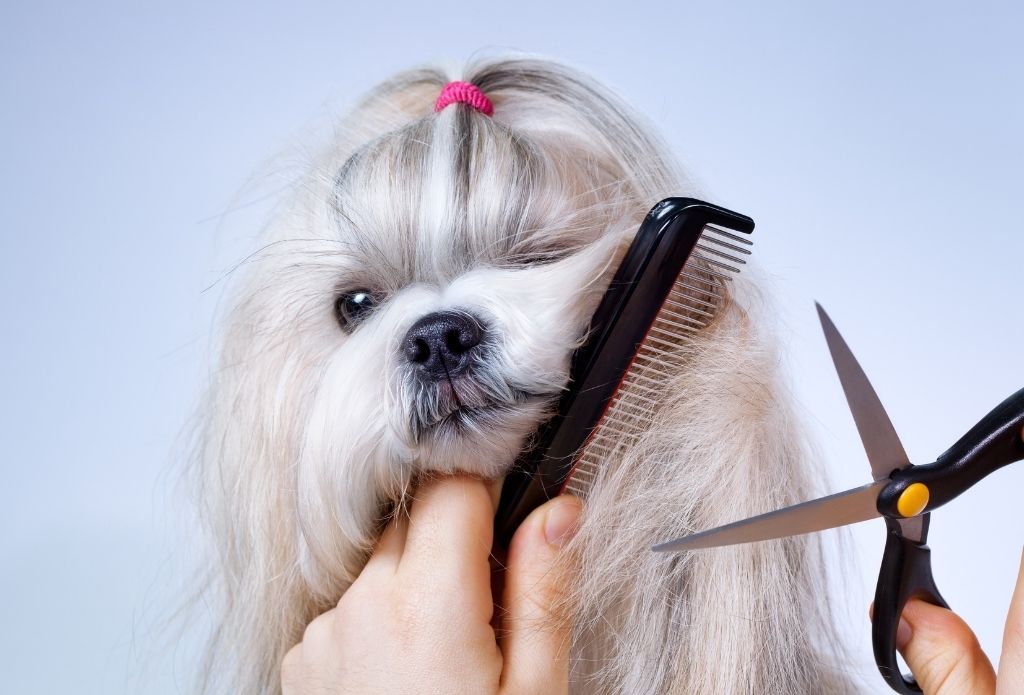
Routine grooming with a brush or comb will assist keep your fur baby’s hair in excellent shape by eliminating dirt, spreading natural oils across her coat, preventing tangles and keeping her skin clean and irritant-free.
Plus, grooming time is a fun time to check for fleas and flea dirt– those little black specks that show your pet is playing host to a flea family.
Find out more about, brushing you dogs or read listed below.
The way you brush your pet and how regularly will largely depend on his or her coat type.
Smooth, Short Coats: If your pet has a smooth, brief coat (like that of a Chihuahua, Fighter or Basset Hound), you only need to brush once a week. Use a rubber brush to loosen up dead skin and dirt and follow with bristle brush to eliminate dead hair. Polish your low-maintenance pooch with a chamois fabric and she’s primed to shine!
Brief, Thick Fur: If your pet dog has short, thick fur that’s prone to matting, like that of a retriever, brushing as soon as a week is fine. Choose a slicker brush to get rid of tangles and catch dead hair with a bristle brush. Don’t forget to comb her tail!
Long, Silky Coats: If your pet has a long, glamorous coat, like that of a Yorkshire terrier, she’ll require day-to-day attention. Every day you’ll require to get rid of tangles with a slicker brush. Next, brush her coat with a bristle brush. If you have a long-haired dog with a coat like a collie’s or an Afghan hound’s, follow the steps above, but also make certain to comb through the fur and cut the hair around the feet.
Long Hair That’s Often Matted: For long-haired pooches, it’s a great idea to set up a day-to-day grooming routine to eliminate tangles and avoid mats. Carefully tease out tangles with a slicker brush, and then brush your pet with a bristle brush. If matting is particularly dense, you might attempt clipping the hair, making sure not to come near the skin.
Knowing When to See the Vet in Springfield Lakes QLD
You need to set up an appointment with your veterinarian as soon as you find any abnormalities in your pet’s skin or hair, or if your fur baby begins to scratch, lick, or bite parts of his fur exceedingly.
Your veterinarian may undertake diagnostic tests to determine the source of the signs of the canine, consisting of a skin biopsy, ringworm testing, tiny hair and skin look for parasites or infection, and blood tests to evaluate the basic health of the pet.
Tips on Dental Care for Pet Owners in Springfield Lakes QLD
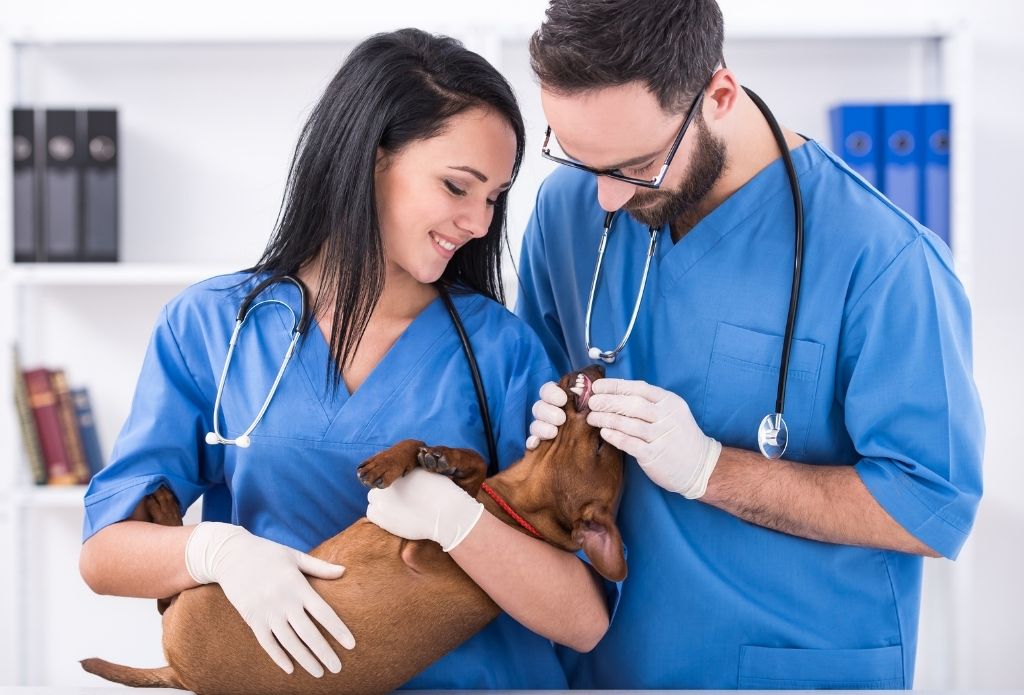
Regularly brushing your dog’s teeth, together with a healthy diet plan and lots of chew toys, can go a long way towards keeping her mouth healthy. Bacteria and plaque-forming foods can trigger accumulation on a dog’s teeth. This can harden into tartar, possibly causing gingivitis, declining gums and missing teeth. Many pooches reveal signs of gum disease by the time they’re 4 years old due to the fact that they aren’t supplied with correct mouth care.
Provide your canine routine home checks and you’ll have an extremely pleased pooch with a spectacular smile. We recommend brushing two to three times a week.
Initially, you’ll want to get your fur baby used to the idea of having thier teeth brushed. To do this, begin by carefully massaging her lips with your finger in a round movement for 30 to 60 secs once or twice a day for a few weeks before carrying on to his teeth and gums.
After a couple of sessions or when your pooch appears comfortable, put a little bit of dog-formulated tooth paste on her lips to get her utilized to the taste.
Next, present a tooth brush designed especially for
Signs of Oral Disease in Canines
Once a week, lift your pet’s lips and analyze his gums and teeth. The gums need to be pink, red or not white, and need to show no indications of swelling. His teeth need to be tidy, with no brownish tartar. A veterinary test ahead of time may be useful to discover if your dog’s gums are inflamed.
Bad breath, extreme drooling, loose teeth, inflamed gums, tumors in the gums or cysts under the tongue are indications that your pet may have an issue in his mouth or intestinal system and need to be checked by a veterinarian.
Getting knowledgeable about these common mouth issues will assist you determine if it’s time for your fur baby to see a veterinarian:
Periodontal disease is an unpleasant gum infection that can lead to missing teeth and spread infection to the remainder of the body. Indications are loosened teeth, halitosis, tooth discomfort, sneezing and nasal discharge.
Gingivitis is a swelling of the gums triggered mainly by accumulation of plaque, tartar and disease-producing bacteria above and below the gum line. Indications include bleeding, red, inflamed gums and foul breath. It is fixable with routine teeth cleansings.
Inflamed gums establish when tartar builds up and food gets stuck in between the teeth.Routinely brushing your dog’s teeth at home and getting yearly cleansings at the veterinarian can avoid tartar and gingivitis.
Proliferating gum disease occurs when the gum grows over the teeth and should be treated to prevent gum infection. An inherited condition common to boxers and bull terriers, it can be addressed with antibiotics.
Mouth tumors look like lumps in the gums. Some are malignant and need to be surgically gotten rid of.
Salivary cysts look like big, fluid-filled blisters under the tongue, but can also build near the corners of the jaw. They require drain, and the damaged saliva gland need to be removed.
Canine distemper teeth can take place if a canine had distemper as a puppy. Adult teeth can appear looking eroded and can frequently decay. As damage is long-term, decayed teeth ought to be eliminated by a vet.
Tips on Eye Care for Dog Parents in Springfield Lakes QLD
Did you know that you can supply regular eye care for your dog in your home? Regular home eye examinations will guarantee you’re mindful of any eye tearing, swelling, health problems, and cloudiness.
Initially, get your pet to sit and face a vibrantly lit area when examining their eyes. If healthy, they should be lit and clear, and the surrounding region to the eyeball should be white. The pupils must be equally sized and there must not be any signs of tearing, crust, or discharge on the edges of their eyes.
To get rid of any gunk in their eyes, use a mild clean and a wet cotton ball. Carefully wipe in the external direction from the edge of their eyes and ensure you don’t touch their eye itself. Its best you get medical attention from your local Springfield Lakes vet as they might have an infection if your pet routinely has actually runny eyes caused from discharge.
Signs of Ear Problems in Dogs
Given that pet dogs have twisty, curved inner ears, it can be pretty easy for bacteria, parasites and yeast to get stuck inside and trigger infections. Pet dogs with allergic reactions and pets with floppy ears like Poodles and Cocker Spaniels are particularly vulnerable to ear problems. Dark, dry ear wax and brown or black ear wax are likewise normal indications of microscopic ear mites. If your fur baby’s ear wax resembles this, you should go to your local Springfield Lakes vet to find out what the issue is and how to repair it.
If you see any of the following symptoms with your pet dog’s ears, contact your veterinarian.
- Ear discharge
- Ear odor
- Ear redness
- Ear swelling
- Crusty skin around the ear
- Hair loss around the ear
Tips on Nail Care for Pet Parents in Springfield Lakes QLD
As a common guideline, your pets nail should only be trimmed when they are close to touching the ground when they walk. Or if your dog’s nails click or snag the floor, they need to be cut.
Summer and Winter Season Paw Care for Canines
As with us people, pet’s paws require various types of care depending on the current season. Cold winter seasons can cause splitting in your fur baby’s paws. To prevent any cracking, sores, infections or blistering do not forget to clean your dog’s paws in warm water after strolls to wash away any salt and chemicals. You can also apply Vaseline, an excellent salt protector, to keep their paws safe prior to every walk.
In summer season, you should bear in mind that your canine’s paws can get burned on hot surface areas. To avoid burns and blisters, do not walk your pet on hot pavements or hot sand. For small burns, apply anti-bacterial wash on the paw and after that cover it with a loose bandage. For major burns, get veterinary medical attention ASAP.