Things you Need to Know Before Booking The Pet Grooming Service at Your Dog Groomers in Dalkeith
pet grooming takes anywhere between 2-4 hours depending upon the size of your pet and how long back your pet had the last fur baby grooming appointment. It is not smart to hurry the pet grooming process as it bad for your canine’s well being.
If you should cancel or reschedule your pet grooming procedure, please provide at least 24 hours notice to prevent paying late canceling fee.
All breed grooming fees will be validated by the family pet groomer at drop off.
Normally, a dematting fee will be applied to matted coats on your family pet. Additional fee may be applied for canines with difficult character.
General Pet dog Tips for Family Pet Dog Owners in Dalkeith UK
Tips on Treating Hot Spots on Dogs for Pet Parents in Dalkeith
Learn more about, hot spots in dogs or read below.
Hot spots on your pet are red, moist, aggravated as well as hot lesions that are generally found on a pet dog’s upper body, head or hip area that can end up being quite excruciating for the pet. Anything that irritates the skin and also makes a dog to scrape or lick himself can trigger a hot spot, including allergic reactions, bug, mite or flea attacks, poor grooming, underlying ear or skin infections and constant licking as well as chewing triggered by tension or boredom.
Pet dogs who are not groomed on a regular basis and have matted, unclean coats can be prone to establishing hot spots, as can pet dogs that swim or that are subjected to wet weather. In addition, dogs with hip dysplasia or rectal sac condition can start licking the skin on their hind-end. Thick-coated, longhaired breeds are most commonly affected.
Hot spots on dogs typically grow at a startling pace within a brief period of time due to the fact that pet dogs tend to lick, chew and also scratch the affected parts of the body, increasing the irritataion on the skin.
Knowing When to See the Vet in Dalkeith
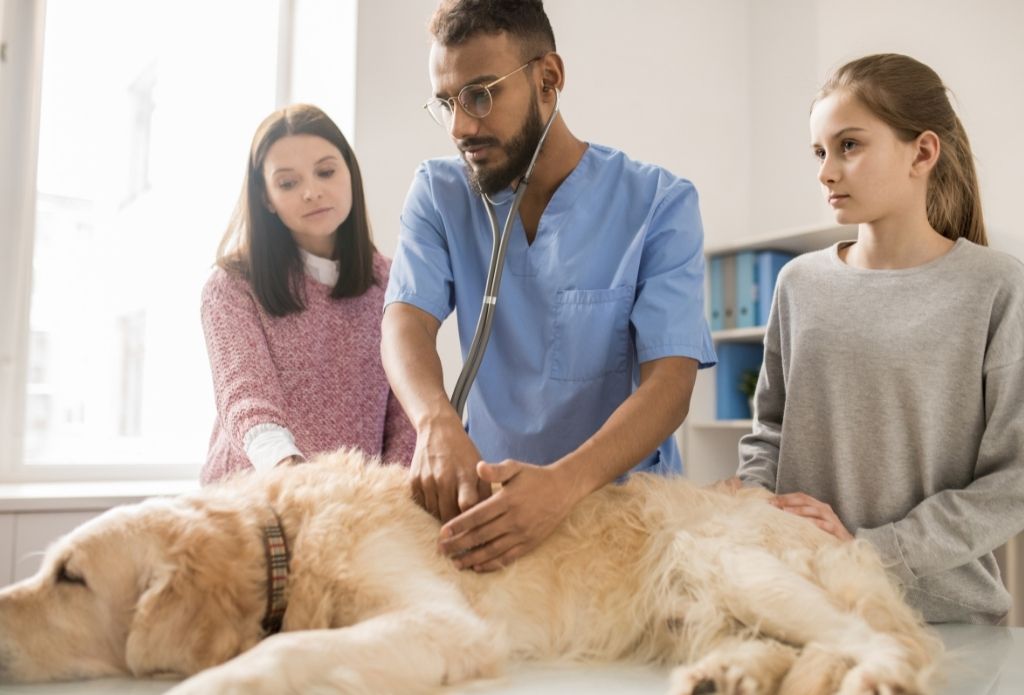
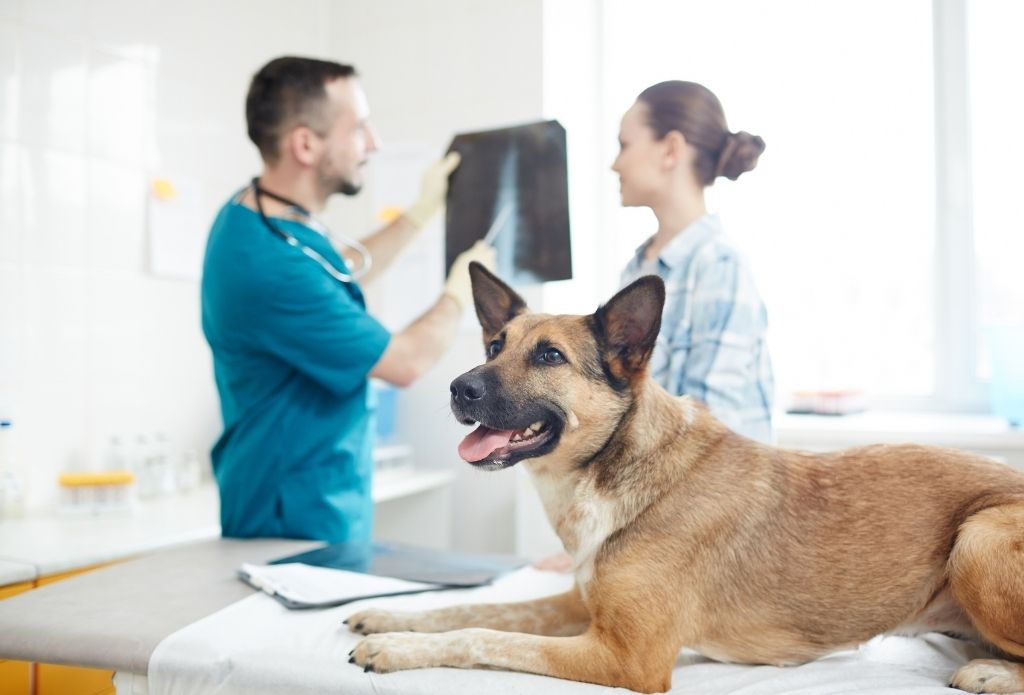
You should organize an appointment with your veterinarian as soon as you find any irregularities in your family pet’s skin or hair, or if your family pet begins to scratch, lick, or bite portions of his fur exceedingly.
Your veterinarian might undertake diagnostic tests to determine the source of your dog’s signs, such as a skin biopsy, ringworm test, tiny evaluation of the hair and skin for parasites or infection, and blood tests to inspect your pet dog’s overall health.
You’ll want to get your family pet used to the idea of having his teeth brushed. To do this, begin by gently massaging her lips with your finger in a round motion for 30 to 60 secs one or two times a day for a few weeks before moving on to their gums and teeth.
After a few sessions or when your pooch appears comfy, put a little bit of dog-formulated toothpaste on her lips to get her used to the taste.
Next, present a tooth brush designed specifically for
Signs of Oral Disease in Dogs
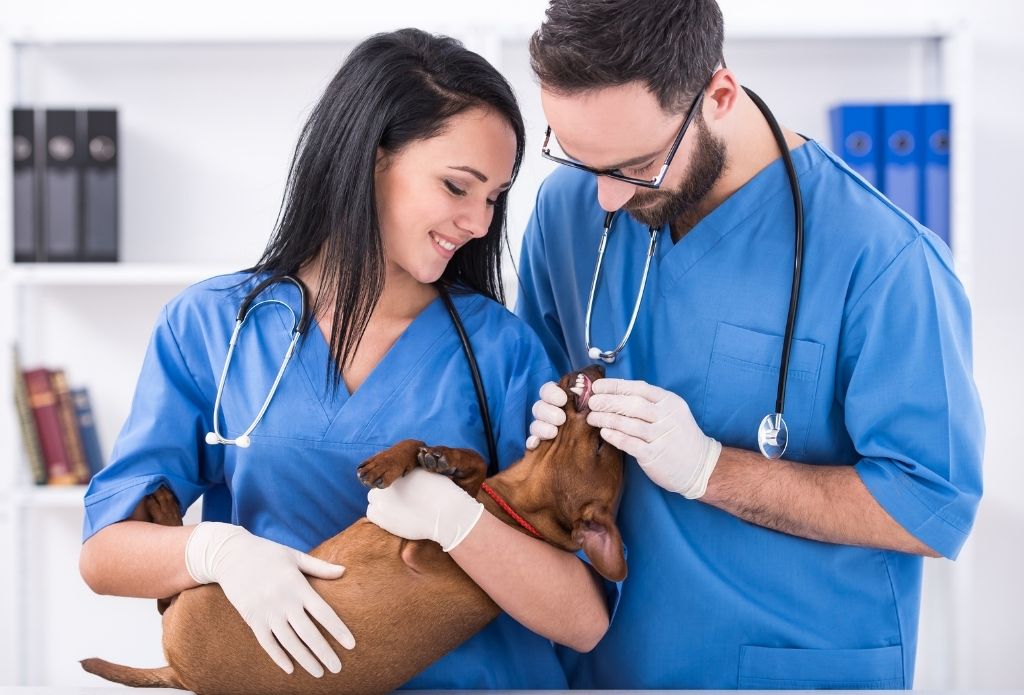
As soon as a week, lift your fur baby’s lips and analyze his teeth and gums. The gums must be pink, not white or red, and ought to reveal no indications of swelling. His teeth should be clean, with no brownish tartar. A veterinary exam ahead of time might be valuable to find out if your pet’s gums are inflamed.
Halitosis, extreme drooling, loose teeth, irritated gums, growths in the gums or cysts under the tongue are indications that your dog might have an issue in his mouth or intestinal system and must be examined by a vet.
Getting knowledgeable about these typical mouth issues will assist you determine if it’s time for your pet to see a veterinarian:
Periodontal disease is an uncomfortable gum infection that can result in tooth loss and spread infection to the remainder of the body. Indications are loosened teeth, bad breath, tooth pain, sneezing and nasal discharge.
Gingivitis is a swelling of the gums triggered primarily by build-up of plaque, tartar and disease-producing bacteria above and below the gum line. Signs include bleeding, red, inflamed gums and bad breath. It is reversible with regular teeth cleanings.
Inflamed gums develop when tartar develops and food gets stuck in between the teeth.Routinely brushing your pet dog’s teeth at home and getting annual cleanings at the veterinarian can avoid tartar and gingivitis.
Proliferating gum disease takes place when the gum grows over the teeth and should be treated to avoid gum infection. An inherited condition typical to boxers and bull terriers, it can be managed with prescription antibiotics.
Mouth tumors look like swellings in the gums. Some are malignant and should be surgically gotten rid of.
Salivary cysts appear like large, fluid-filled blisters under the tongue, but can likewise form near the corners of the jaw. They need drain, and the damaged saliva gland should be removed.
Canine distemper teeth can take place if a dog had distemper as a puppy. Adult teeth can appear looking worn down and can often decay. As damage is permanent, decayed teeth ought to be removed by a vet.
Avoiding Eye Concerns in Canines
If their locks aren’t tamed properly, longhair types can develop eye problems. To help prevent this, keep your pet dog’s vision clear by cautiously cutting the hair near their eyes. Medications and soaps can be major irritants, so protect your canine’s eyes before washing, using ointments or using any flea treatments.
When driving, it’s a lot more secure to have the windows just partly down, not completely down, and ensure your pet dog’s head is inside the car not poking out. This will assist avoid injury from road debris or bugs getting in their eyes. Heavy wind can also dry your dog’s eyes, possibly resulting in irritation and infection.
Think about doing some research to find out if your canine’s breed is vulnerable towards eye conditions, like glaucoma or progressive retinal atrophy. You must also get your fur baby’s eyes checked during yearly vet check ups.
Ear Care for Canines Who Swim
Canines that have regular baths or go swimming a lot can be more prone to ear irritation and infection. To prevent infection, put cotton inside your pet’s ears before baths or swimming and be sure to dry their ears out thoroughly as soon as they’re done.
Finding Nail Clippers for Your Canines
There are usually 2 types of nail clippers for pet dogs: scissors or guillotine. They work similarly well, so just choose the style that you feel more comfortable utilizing and handling.
If your pet is not comfortable with either clipper types, another tool is the nail mill. It is an electrical tool that effectively sands down fur baby nails. They provide excellent control however take longer than routine clippers and some family pets might find the vibration sounds to be frightening or unpleasant. Ask your Dalkeith groomer for recommendations on what nail clipper will be most ideal for your dog and how to safely utilize them.
Applying Moisturizer on Dogs
If your canine’s pads get dry and broken, ask your Dalkeith vet for a great pad moisturiser. Do not apply human moisturisers as they can soften the pads and trigger injury. A paw massage will assist your pet relax and have better circulation. Start by rubbing between the pads on the sole of the paw and after that rub in between every toe.