Things you Need to Know Before Booking The Pet Grooming Service at Your Dog Groomers in WI
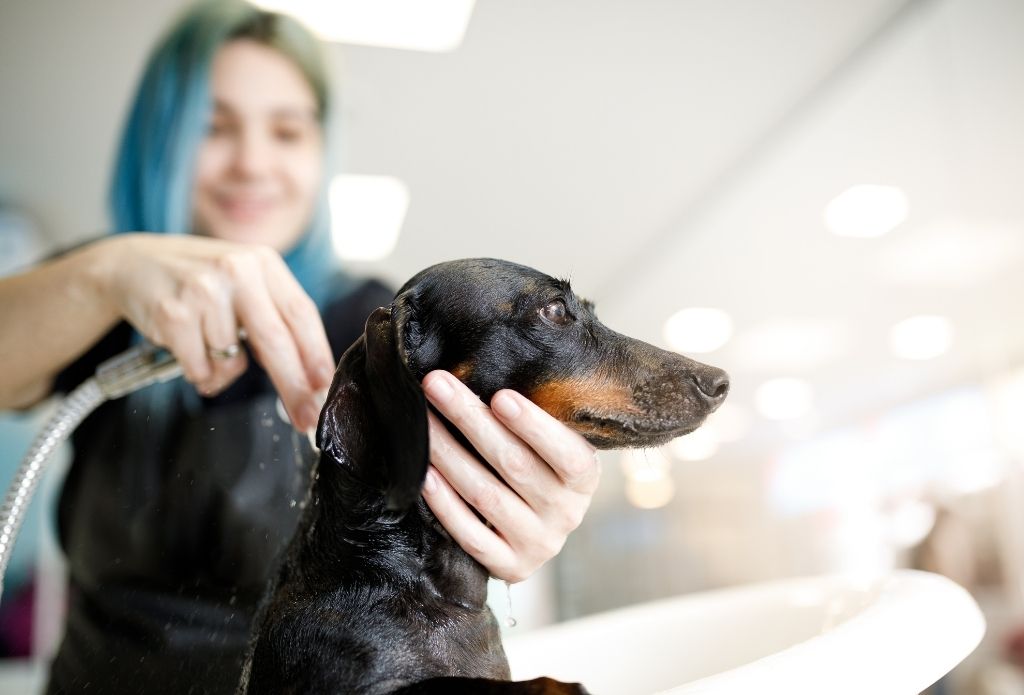
pet grooming takes anywhere between 2-4 hours depending on the size of your fur baby and how long ago your fur baby had the last pet grooming appointment. It is not wise to hurry the pet grooming procedure as it bad for your pet dog’s well being.
If you need to cancel or reschedule your family pet grooming appointment, please provide a minimum of 24 hours notice to prevent paying late canceling cost.
All breed grooming charges will be confirmed by the pet groomer at hand over.
Generally, a dematting cost will be applied to matted coats on your family pet. Extra cost might be requested for pet dogs with difficult character.
General Canine Tips for Pet Dog Moms and Dads in WI
Tips on Treating Hot Spots on Pets for Pet Parents in WI
Learn more about, hot spots in dogs or read below.
Hot spots on your pet are red, moist, hot and inflamed lesions that are commonly located on a pet dog’s hip, head or upper body area that can become rather uncomfortable for the pet dog. Anything that aggravates the skin as well as makes a pet dog to scratch or lick himself can start a hot spot, including allergies, bug, mite or flea attacks, poor pet grooming, underlying ear or skin infections and continuous chewing and licking triggered by stress or boredom.
Canines who are not groomed consistently and also have actually matted, dirty coats can be prone to establishing hot spots, as can pet dogs that swim or who are subjected to rain. In addition, pet dogs with hip dysplasia or anal sac disease can begin licking the skin on their hind-end. Thick-coated, longhaired breeds are most typically affected.
Hot spots on dogs frequently expand at a worrying pace within a brief amount of time since pet dogs often tend to lick, chew and also scratch the affected parts of the body, increasing aggravating the pain on the skin.
Causes of skin disorders on dogs – Among the following can cause an abnormality of your skin and a vet should examine it.
- Fleas – Bites from these bothersome pests may aggravate the skin of your pet and some canines might have an allergic reaction to saliva after a bite. Some dogs might also be susceptible to flea treatment; some flea collars might trigger redness and swelling around the neck, for example.
- Ringworm – Swelling, scaly areas, and hair loss can all occur from this very infectious fungal illness. You should treat it right away to keep other canines and people in your home from becoming ill.
Seasonal or food allergies – Your fur baby’s scratching might be brought on by her intolerance to irritants found in daily items such as pollen, weeds, dust, mites, trees, mold or yards. In the winter, many canines, like people, develop dry, flaky skin. Some pets get allergies to popular pet food elements consisting of beef, chicken, wheat, corn, or soy. Fillers and colorings can also be seen as alien by your fur baby’s body immune system, resulting in inflammation and rashes.
Skin infections – Pet dogs may get undesirable infections of the germs or yeast when skin is impacted by another skin illness./li>
Sarcoptic mange – This skin condition brought on by Sarcoptes scabei mite invasion causes serious itching and skin inflammation, equivalent to an allergy.
Grooming products – Some hair shampoos and toiletries might irritate the skin of your pet. Make sure you only utilize toiletries meant for pets.
Stress or boredom –A dog might lick her skin (particularly her legs) excessively for a variety of factors. Some lick when they are not provided enough chances for movement or psychological stimulation.
Metabolic or hormonal problems –For many causes, a canine can lick his skin too much (especially his legs). Some dogs lick when the workout or psychological stimulation is not sufficient.
Tips on Dental Care for Dog Owners in WI
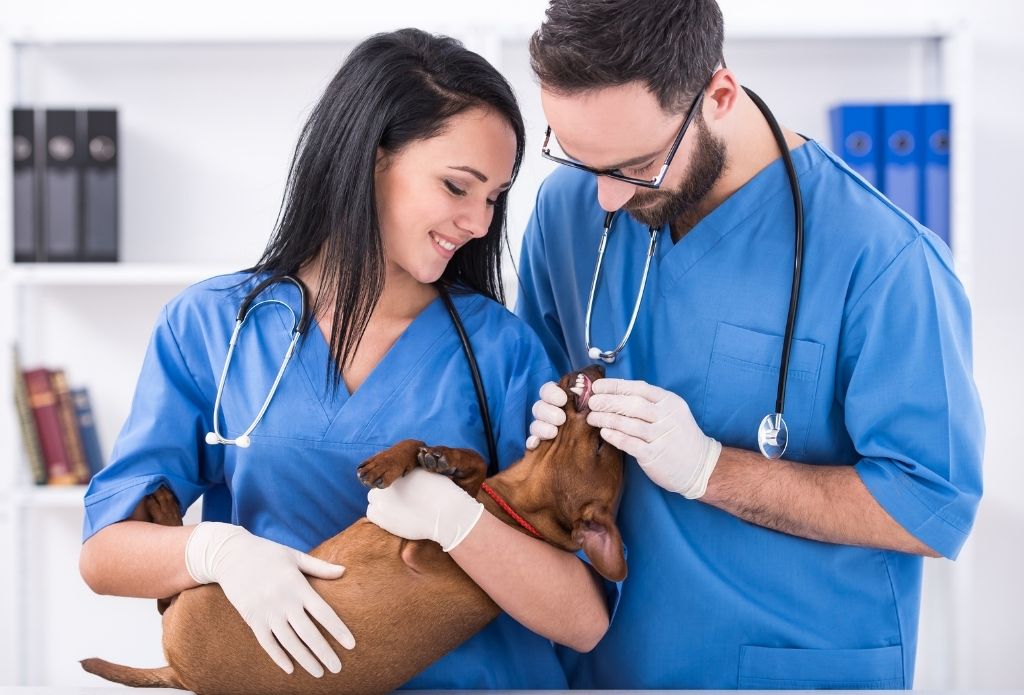
Regularly brushing your pet dog’s teeth, along with a healthy diet and lots of chew toys, can go a long way toward keeping his mouth healthy. Germs and plaque-forming foods can trigger build-up on a pet’s teeth. This can harden into tartar, potentially triggering gingivitis, receding gums and tooth loss. Lots of pooches reveal signs of gum illness by the time they’re 4 years of ages due to the fact that they aren’t provided with proper mouth care.
Give your canine regular home checks and you’ll have a very pleased pooch with an amazing smile. We advise brushing 2 to 3 times a week.
First, you’ll wish to get your pet used to the idea of having thier teeth brushed. To do this, begin by carefully rubbing her lips with your finger in a circular movement for 30 to 60 seconds once or twice a day for a couple of weeks prior to carrying on to their teeth and gums.
After a few sessions or when your pooch appears comfy, put a bit of dog-formulated toothpaste on her lips to get her used to the taste.
Next, introduce a tooth brush developed specifically for pets or felines — it will be smaller sized than human toothbrushes and have softer bristles. Tooth brushes that you can use over your finger are likewise readily available and let you to provide a good massage to your fur baby’s gums.
Place the brush or your gauze-wrapped finger at a 45-degree angle to the teeth and tidy in small, circular movements. Deal with one area of your dog’s mouth at once, raising her lip as required. The side of the tooth that touches the cheek generally has the most tartar, and giving a last down stroke can help to remove it.
If your pet dog withstands having the inner surfaces of her teeth cleaned up, do not combat it — only a small amount of tartar builds up there. Once you get the strategy down, choose a brushing 2 or three times a week.
Tips on Eye Care for Pet Owners in WI
Did you know that you can provide frequent eye care for your canine at home? Regular home eye exams will ensure you’re conscious of any eye tearing, cloudiness, health issues, and inflammation.
First, get your canine to sit and face a brightly lit area when examining their eyes. If healthy, they should be lit and clear, and the surrounding location to the eyeball will be white. The pupils ought to be equally sized and there must not be any indications of tearing, crust, or discharge on the edges of their eyes.
To get rid of any gunk in their eyes, utilize a mild clean and a damp cotton ball. Carefully wipe in the external direction from the corner of their eyes and make sure you do not touch their eyeball. If your family pet routinely has runny eyes triggered from discharge, its recommended you get medical attention from your local veterinarian as they may have an infection.
Ear Care for Dogs Who Swim
Dogs that have regular baths or go swimming a lot can be more vulnerable to ear irritation and infection. To reduce infection, put cotton inside your dog’s ears prior to baths or swimming and make sure to dry their ears out thoroughly when they’re done.
Tips on Nail Care for Pet Owners in WI
As a typical rule of thumb, your canines nail must only be cut when they are close to touching the ground when they walk. Or if your pet’s nails click or snag the ground, they need to be cut.
Preventing Paw Problems in Canines
When beginning a new workout routine with your pet, start it gradually. Their paws can quickly end up being delicate or cracked, especially with long hikes or runs. Make certain your backyard and house are clear from any dangers and also avoid threats like debris and broken glass when out for walks. Last but not least, always remember this easy pointer – if you wouldn’t want to walk barefoot on it, neither will your pet!